
Direct answer: for menopause symptoms, certain natural remedies may offer modest relief for some individuals, but evidence varies, safety and quality are inconsistent, and they are not a guaranteed substitute for medical treatments, consult a GP or pharmacist to tailor choices to your health profile and risk factors. Herbal options should be considered with caution, as products vary in strength and purity, and some interact with prescription medicines. Biologically active plants can influence estrogenic pathways, but long term safety data are limited. Start with the mildest, lowest risk approaches, track symptoms, and seek professional guidance if hot flashes escalate, sleep worsens, or mood changes interfere with daily life.
Quick picks:
- Black cohosh: best for vasomotor symptoms
- Red clover: best for mild estrogenic symptoms in some users
- Soy isoflavones: best for modest hot flash relief
- Evening primrose oil: best for some hot flashes with GI tolerance
- Sage: best for night sweats and overheating
- St John’s wort: best for mood and anxiety related symptoms
| Option | Best for | Main strength | Main tradeoff | Pricing |
|---|---|---|---|---|
| Black cohosh | Vasomotor symptoms | Vasomotor symptom relief | Inconsistent evidence, potential GI upset, rare liver effects | Not stated |
| Red clover | Mild estrogenic symptoms | Phytoestrogenic activity | Mixed evidence, safety concerns with hormone therapies | Not stated |
| Soy isoflavones | Hot flashes | Modest hot flash relief | GI symptoms, caution with hormone-sensitive conditions | Not stated |
| Evening primrose oil | Hot flashes | Mixed evidence | GI upset, seizure threshold concerns in susceptible individuals | Not stated |
| Sage | Hot flashes and night sweats | Evidence for hot flashes | Interactions with diabetes or blood pressure meds | Not stated |
| St John’s wort | Mood and anxiety related symptoms | Pilot mood studies show benefit | Interacts with many meds including antidepressants and hormonal therapies | Not stated |
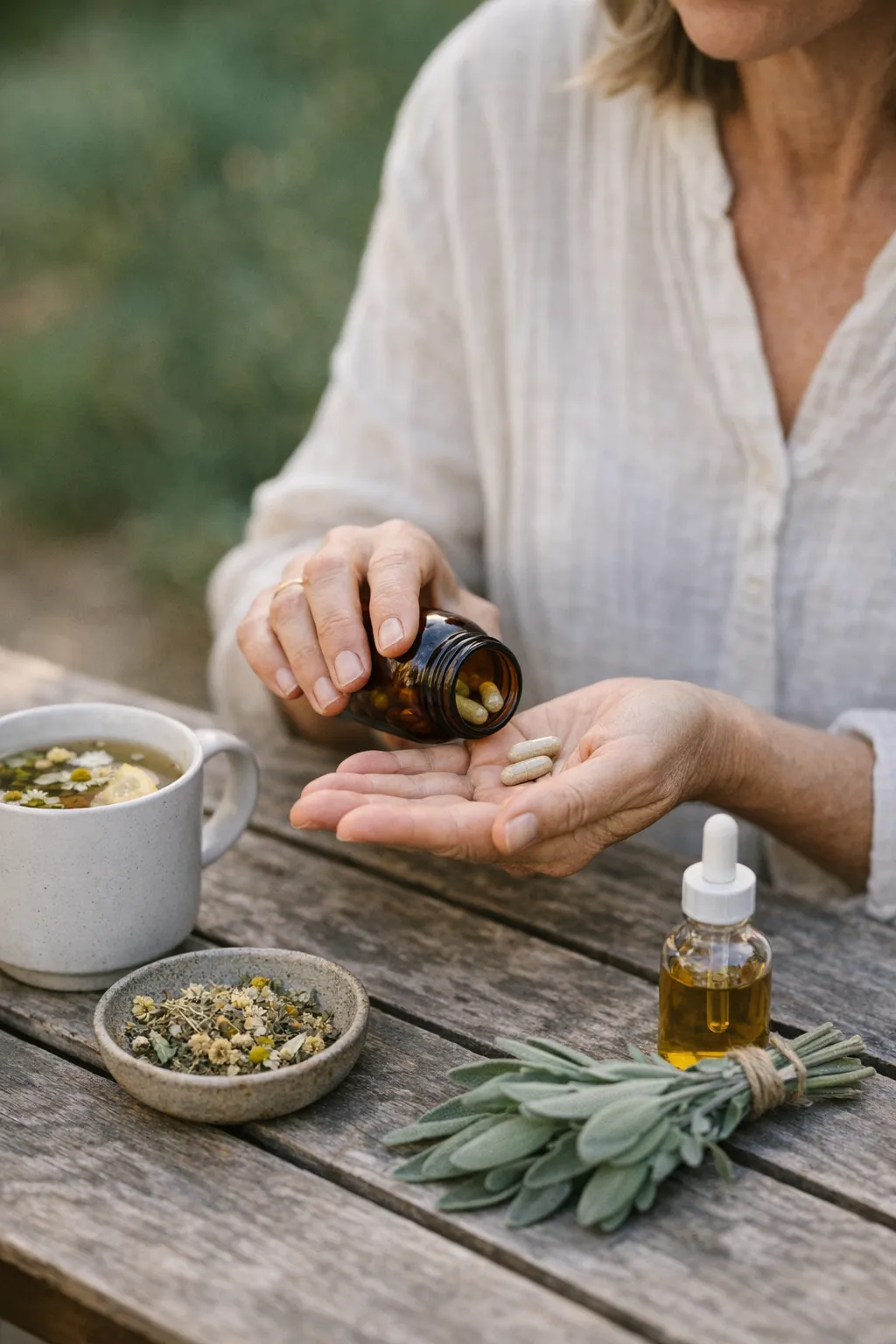
Selecting natural remedies for menopause symptoms: a practical guide
Choosing natural remedies requires a practical, evidence guided approach. Some options provide modest relief for a subset of people, but data quality varies and product safety can differ. Begin with low risk choices, track results, and consult a clinician if symptoms persist or worsen.
- Evidence quality and consistency
- Safety profile and potential drug interactions
- Product quality and labeling accuracy
- Target symptoms and expected time to benefit
- Dosing guidance and standardization
- Long term safety data and liver or other risks
- Ability to monitor with a clinician and adjust plan
- Personal health factors and contraindications
- Relying on marketing claims rather than evidence
- Overlooking interactions with medications
- Assuming natural equals safe
- Using multiple products without professional guidance
- Not checking product quality and ingredients
To evaluate claims, prioritize peer reviewed research, seek clinician guidance, and avoid sensational headlines or unsupported anecdotes. Check for product quality, and beware warnings about liver injury, interactions, and inconsistent labeling.
Practical natural remedies for menopause symptoms: options that fit real life
Many readers seek non prescription options with approachable safety profiles. This list presents eight commonly used remedies, noting where evidence is strongest, what to watch for, and when to consider medical guidance to tailor choices to your health needs.
Black cohosh: Best for vasomotor symptoms
Black cohosh is a widely used herbal option for hot flashes and night sweats, with some trials showing relief though results are not consistent across studies.
Why it stands out:
- Targets vasomotor symptoms directly
- Available over the counter in many markets
- Monotherapy option for those avoiding hormones
Watch-outs:
- Gastrointestinal upset is possible
- Rare reports of liver effects
- Potential interactions with other medicines
Pricing reality: Not stated
Good fit when: Vasomotor symptoms predominate and liver function is normal
Not a fit when: There is known liver disease or risk factors for hepatotoxicity
Red clover: Best for mild estrogenic symptoms
Red clover provides phytoestrogens and may help hot flashes for some users, though the evidence remains mixed.
Why it stands out:
- Phytoestrogenic activity offers a plant-based approach
- Non prescription in many regions
- Accessible option for those seeking alternatives to hormones
Watch-outs:
- Estrogen-like activity can interact with hormone therapies
- Quality and labeling can vary across products
Pricing reality: Not stated
Good fit when: Mild estrogenic symptoms and desire for a plant-based option
Not a fit when: Estrogen-sensitive conditions or need for stronger relief
Soy isoflavones: Best for modest hot flash relief
Soy isoflavones contain phytoestrogens and may provide modest relief for hot flashes in some analyses.
Why it stands out:
- Easy to incorporate into daily meals or as a supplement
- Evidence supports modest relief in some studies
- Plant-based option for those avoiding pharmaceuticals
Watch-outs:
- GI symptoms can occur
- Potential interactions with hormone sensitive conditions
Pricing reality: Not stated
Good fit when: Seeking modest relief without prescription
Not a fit when: Strong relief is required or there are hormone-sensitive concerns
Evening primrose oil: Best for hot flashes
Evening primrose oil is a commonly used option for hot flashes, though the evidence is mixed and results vary by study.
Why it stands out:
- Widely available over the counter
- Simple dosing for many users
- Non hormonal approach aligned with lifestyle choices
Watch-outs:
- Gastrointestinal upset can occur
- Seizure threshold concerns in susceptible individuals
Pricing reality: Not stated
Good fit when: Mild to moderate hot flashes and preference for non hormonal options
Not a fit when: History of seizures or other seizure risk factors
Sage: Best for hot flashes and night sweats
Sage has some evidence for reducing sweating and overheating and can be used as tea or extract.
Why it stands out:
- Multiple preparation forms available
- Potential for at home use with simple preparation
- Can be integrated into daily routines easily
Watch-outs:
- Interactions with diabetes or blood pressure medications
- Quality and ingredient variability across products
Pricing reality: Not stated
Good fit when: Overheating and night sweats without prescription requirements
Not a fit when: You take medications with known sage interactions or have complex medical conditions
St John’s wort: Best for mood and anxiety related symptoms
Pilot mood studies suggest St John’s wort may support mood and anxiety during menopause for some individuals.
Why it stands out:
- Accessible herbal option for mood symptoms
- Historically well used and studied for mood regulation
- Can be combined with other non hormonal strategies under supervision
Watch-outs:
- Interacts with many medications including antidepressants and hormonal therapies
- Not appropriate for everyone due to interaction potential
Pricing reality: Not stated
Good fit when: Mood or anxiety symptoms predominate and no conflicting medications
Not a fit when: On antidepressants or medicated therapies with known interactions
Vitex agnus-castus: Best for hormonal balance and mood
Vitex modulates signals in the hypothalamic pituitary axis and is commonly used for hormonal balance and related mood symptoms.
Why it stands out:
- Non prescription option targeting hormonal pathways
- Potential to support LH and prolactin balance
- May help with cyclical mood changes linked to hormonal fluctuations
Watch-outs:
- Possible nausea, dry mouth, dizziness
- Effects can vary between individuals
Pricing reality: Not stated
Good fit when: Hormonal fluctuations with mood changes and preference for non prescription options
Not a fit when: Breast or hormone dependent conditions or if on interacting medications
Ginkgo biloba: Best for cognitive support and memory
Ginkgo has been studied for cognitive benefits in postmenopausal women, offering a potential non hormonal approach to memory concerns.
Why it stands out:
- Non hormonal option with potential cognitive benefits
- Accessible as a supplement in many markets
- Antioxidant and anti-inflammatory properties noted in research
Watch-outs:
- Gastrointestinal upset and allergy risk
- Bleeding risk with certain conditions or medications
Pricing reality: Not stated
Good fit when: Memory concerns or cognitive symptoms without hormonal therapy
Not a fit when: Bleeding disorders or concurrent anticoagulant therapy
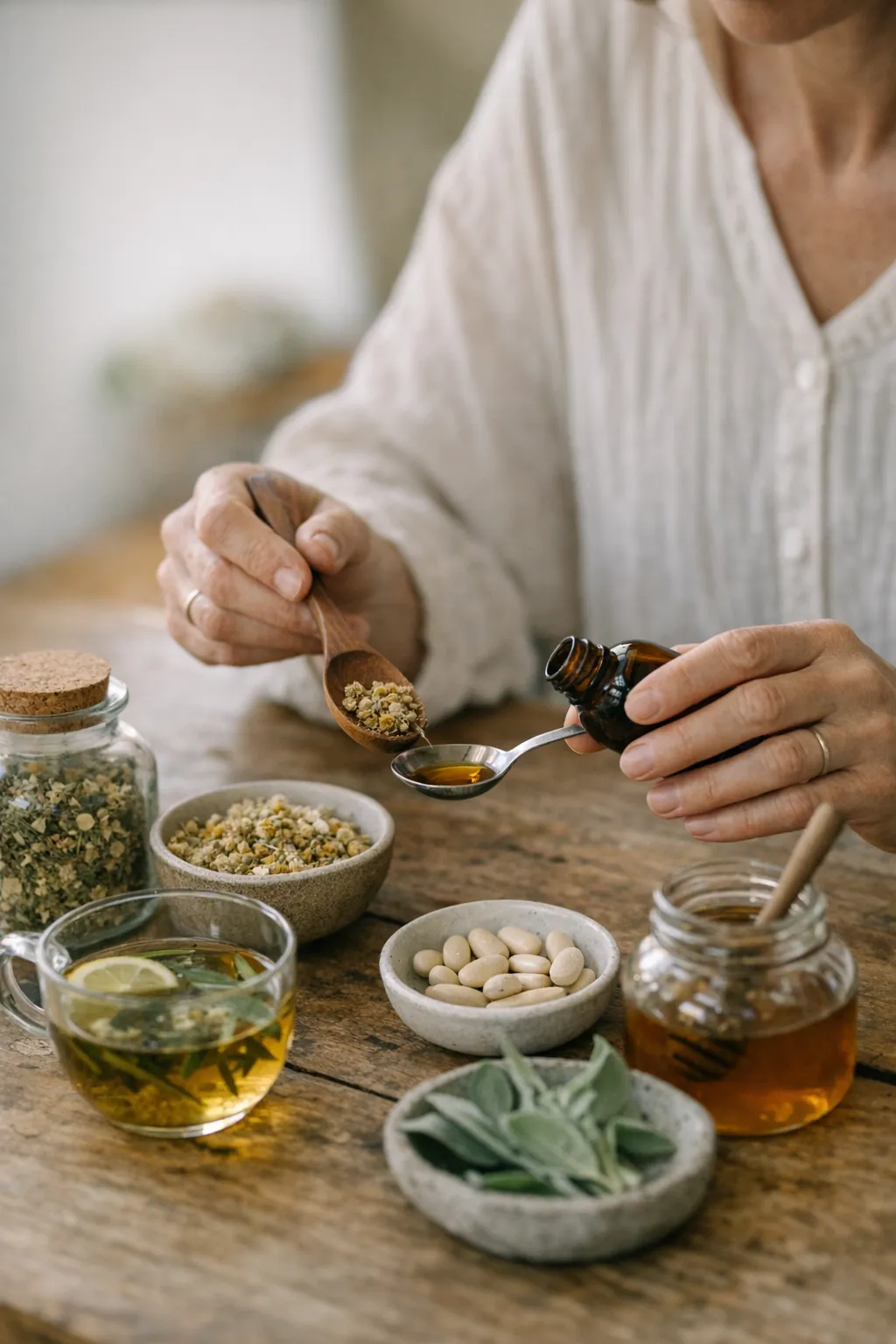
Decision help for selecting natural remedies that fit your menopause symptoms
- If vasomotor symptoms predominate and you prefer non prescription options, choose Black cohosh because some trials show relief though results vary and it is widely used, consult Empire OBGYN for tailored guidance.
- If you want mild estrogenic support without hormones, choose Red clover because phytoestrogens may help some individuals with caution regarding hormone therapies.
- If you seek modest hot flash relief integrated into meals, choose Soy isoflavones because they are easy to incorporate and have modest effect in some analyses.
- If night sweats disrupt sleep, choose Sage because evidence suggests it can reduce overheating and night sweats in some studies.
- If mood or anxiety are dominant symptoms, choose St John’s wort because pilot mood studies show potential benefits under supervision.
- If hormonal balance and mood fluctuations are a concern, choose Vitex agnus-castus because it targets hormonal pathways and may help with cyclical mood changes.
Implementation reality: Costs, time to see benefits, and trade-offs vary by approach, lifestyle and mind-body strategies are generally low cost and require ongoing commitment, while herbal options may vary in quality and efficacy and need careful monitoring.
People usually ask next
- What is the safest first step when exploring natural remedies? Start with a low risk option and discuss plans with a clinician to avoid interactions and ensure it fits your health history.
- Can these remedies replace hormone therapy completely? Not typically, many people use them as part of a broader plan and may still need conventional therapies for stronger symptoms.
- How should I check product quality and avoid scams? Look for reputable brands, transparent ingredient lists, and third party testing where available.
- Do these remedies interact with prescribed medications? Yes, interactions are possible, always inform your clinician about any supplement you plan to take.
- Which remedies have the strongest evidence for hot flashes? Black cohosh and soy isoflavones have the most consistently discussed signals, but results vary by study.
- Are there liver or cardiovascular risks with herbal remedies? Some remedies carry rare liver risks or other safety concerns, avoid use if you have specific health conditions and seek medical advice.
Make informed choices about natural menopause remedies
Are herbal remedies safe for managing menopause symptoms
Herbal remedies are not tightly regulated like medicines, safety and quality vary, and long term effects are not well established. Some herbs can interact with medications or worsen certain conditions. Start with a low-risk option, monitor symptoms, and consult a clinician to ensure compatibility with your health history. See a trusted provider such as Empire OBGYN for personalized guidance.
How do bioidentical and body-identical hormones differ in practice
Body-identical hormones are regulated and studied for safety and efficacy, bioidentical products are often marketed as natural but regulation is inconsistent and evidence varies. A clinician can help assess risk, monitor symptoms, and determine whether non-hormonal options or standard HRT is appropriate. Understanding regulatory status helps set expectations about quality and oversight, avoiding unverified products.
Should I replace hormone therapy with natural remedies
The decision depends on symptom severity, risk factors, and personal preference. Hormone therapy often provides robust relief for vasomotor and vaginal symptoms, while natural remedies may reduce some symptoms but rarely fully replace prescribed therapies. A stepwise plan with clinician oversight helps manage risks, track outcomes, and adjust as needed.
How can I talk to my clinician about these options
Prepare a symptom diary, list of current meds and supplements, and specific remedies you want to try. Ask about safety, possible interactions, monitoring plans, and whether non-hormonal or hormone therapies fit your risk profile. Shared decision making improves tailoring and safety.
Which remedies have the strongest evidence for hot flashes
Black cohosh and soy isoflavones are among the remedies with the most discussion in trials and reviews, though results are inconsistent. Some women report relief while others see little benefit. The evidence supports considering a trial with medical supervision, especially if symptoms are moderate and conventional therapies are not preferred.
Are there liver or cardiovascular risks with herbal remedies
Some herbs carry rare liver risks or other safety concerns, and cardiovascular interactions are possible with certain compounds. Always check product ingredients, avoid high-dose use, and discuss with a clinician before starting any supplement, especially if you have liver disease, heart disease, or take multiple medications.
Can herbal remedies interact with medications
Yes, interactions are possible with antidepressants, anticoagulants, hormonal therapies, and other medications. Even over-the-counter supplements can alter drug metabolism or amplify side effects. Always disclose every product you plan to use, and seek professional guidance to minimize risk and ensure plans are compatible with your current treatment.
What about product quality and labeling
Herbal products vary in strength, purity, and labeling, look for brands with transparent ingredient lists and third-party testing when available. Avoid high-risk products and be skeptical of extravagant claims. A clinician or pharmacist can help evaluate brands and ensure you are choosing reliable options.