
Most vaginal suppositories dissolve within about 15 to 30 minutes after insertion. That timing, however, varies by product type and formulation. Boric acid suppositories, for example, are described as dissolving over 4–12 hours once placed in the vagina. Softer formulations often dissolve more quickly than harder ones, and vaginal moisture, pH, and body temperature can influence the rate. Some preparations intended for faster relief may dissolve in roughly 10–15 minutes, while others may take closer to 30 minutes or longer depending on design. Bedtime insertion is commonly recommended to reduce leakage and improve comfort as the product dissolves. Always follow the specific product instructions and speak with a clinician if you have concerns about your treatment plan.
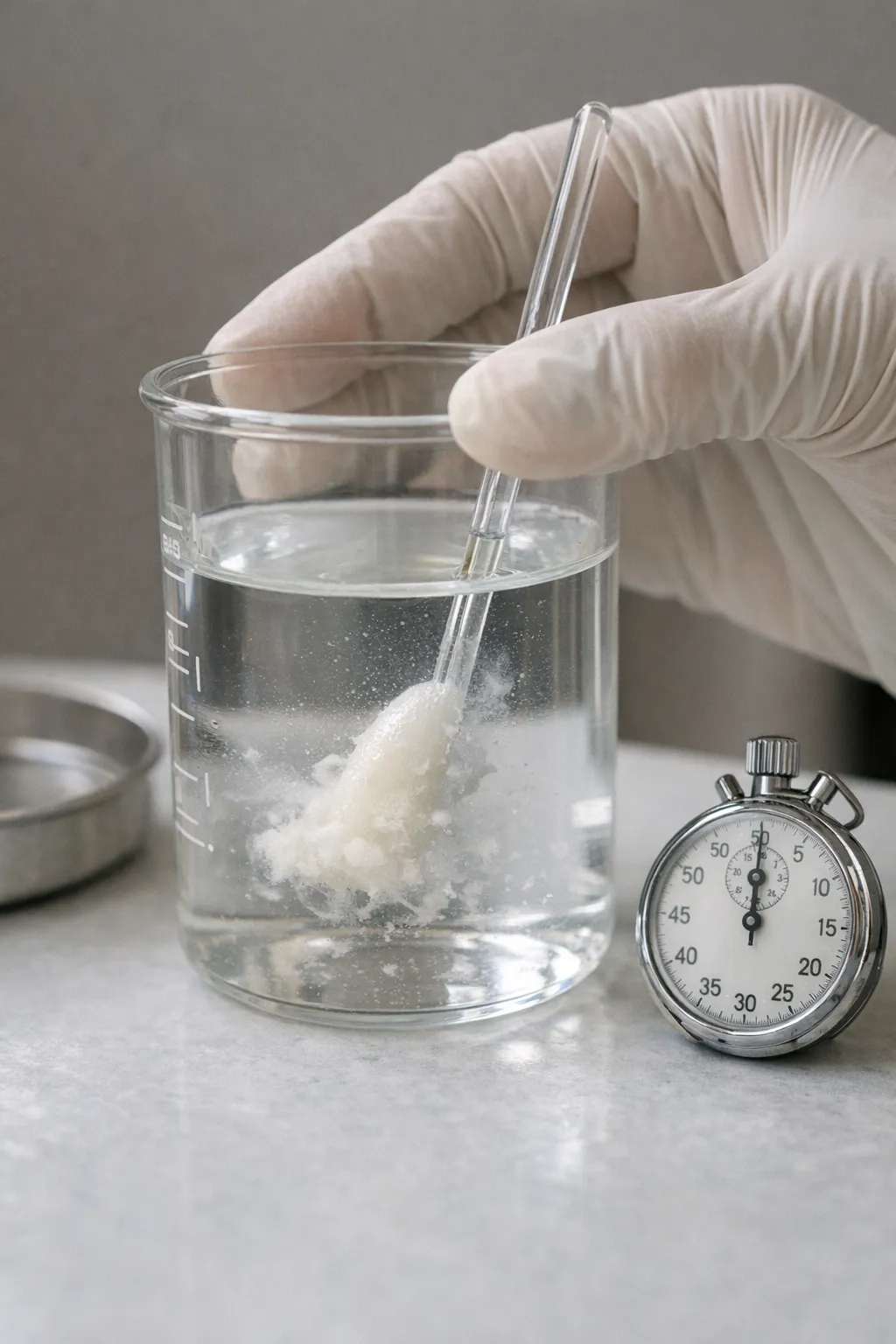
How long does a vaginal suppository take to dissolve?
What factors affect how fast a vaginal suppository dissolves?
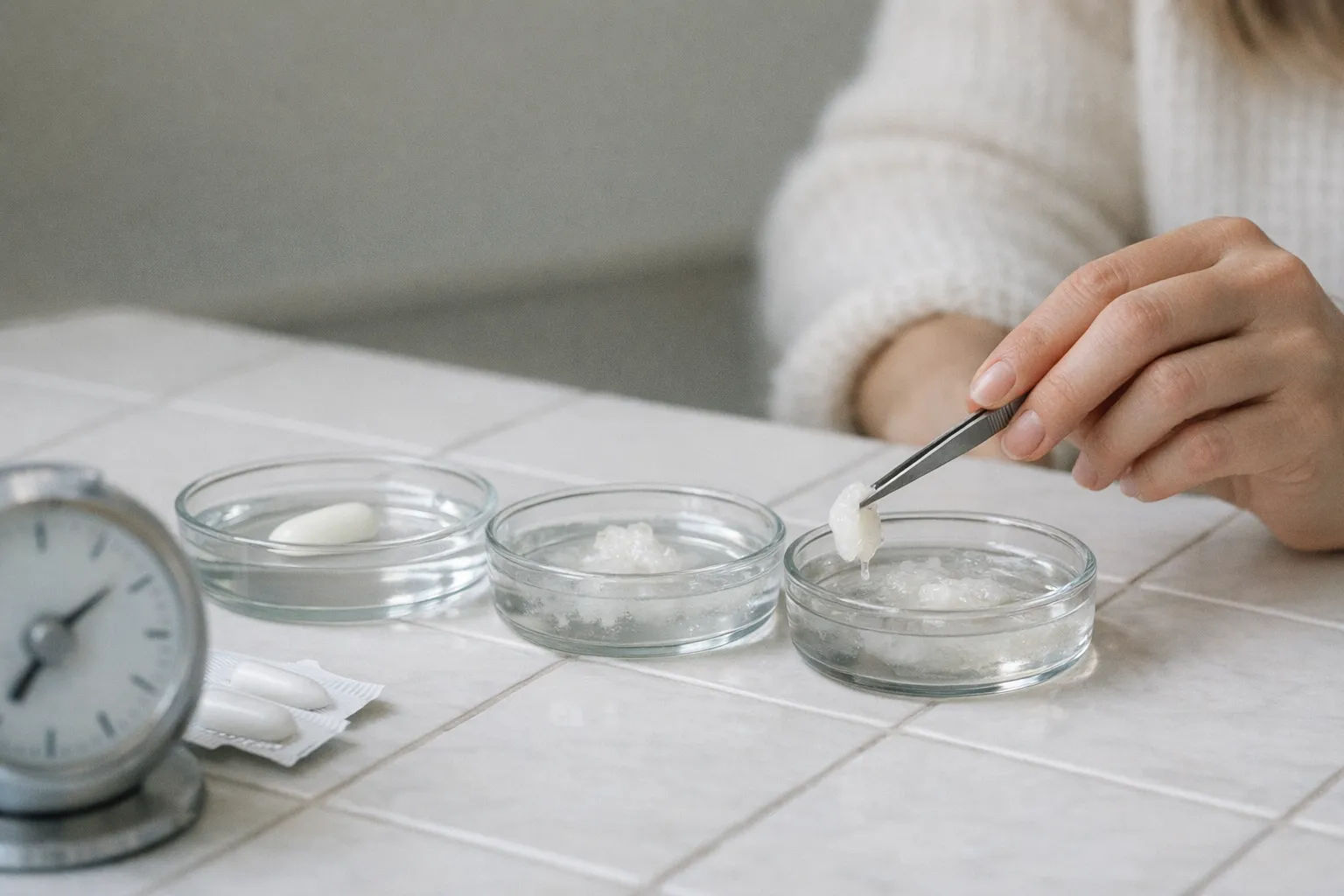
Dissolution speed depends on product type and formulation. For boric acid suppositories, dissolution typically occurs in about 4–12 hours, a window designed to support local balance rather than rapid systemic absorption. The capsule material matters too, soft gelatin or flexible shells usually melt more quickly, while harder shells resist immediate diffusion and slow release of the active ingredient. In addition, many products use coatings, binders, or fillers that modulate how fast the capsule breaks down once positioned in the vagina. Those design choices reflect different therapeutic goals, from faster relief to longer-lasting effects across a treatment window.
Other variables include vaginal moisture, pH, hormonal state, and ambient temperature, which can shift timing in meaningful ways. For more details, see WebMD guidance .
Do all vaginal suppositories dissolve at the same rate?
No, dissolution rates vary by product and formulation. The same category can include products that take minutes to dissolve and others that take hours due to base materials, coatings, and intended release profiles. This variation means the practical timing you experience with one product may not mirror another even if they target similar conditions or symptoms. Manufacturers design differences to balance comfort, leakage, and efficacy across settings, so users should plan around the specific product’s label instructions.
In practice, boric acid formulations can dissolve in about 4–12 hours, while soft formulations may melt more quickly depending on vaginal moisture and temperature. Hello Again insertion tips .
Does formulation type change dissolution speed?
Yes. Formulation type directly affects how fast a suppository dissolves, soft formulations tend to melt sooner than harder tablets, and the presence of additional ingredients can extend or shorten the dissolution window. The exact timing varies by brand, batch quality, and how the product interacts with an individual’s vaginal environment. This means two products within the same category can yield noticeably different dissolution timelines in real use, even if their active ingredients are similar. Consumers should interpret label timing as a guideline rather than a universal rule.
Timing differences across brands within the same category reflect variations in filler materials and manufacturing tolerances, which can shift the practical dissolution window by several minutes to an hour or more. The variability underscores the importance of following the specific product instructions and discussing concerns with a clinician if symptoms persist or change significantly.
Is bedtime use related to dissolution timing?
Bedtime use is commonly recommended to align dissolution with rest and reduce leakage overnight. In practice, many brands advise inserting at night to maximize contact time as you sleep, which can help with more complete dissolution by morning and reduce the amount of discharge during waking hours. The quieter, more relaxed environment also minimizes disturbances that might disrupt the medication’s contact with vaginal tissues, potentially improving overall effectiveness.
Safety note: consult a clinician if pregnant, on medications, or facing medical conditions.
How long does a vaginal suppository take to dissolve?
- 15–30 minutes to dissolve for typical vaginal suppositories, per WebMD guidance on vaginal suppositories .
- Boric acid formulations commonly dissolve over 4–12 hours after insertion, as described in the CFSP Pharmacy usage guide .
- Bedtime use is commonly recommended to reduce leakage and support contact time during dissolution, per the Hello Again guide How to use a vaginal suppository .
- Soft formulations tend to melt faster than hard tablets, influencing overall dissolution timing, according to WebMD guidance .
- Dissolution timing varies with vaginal moisture and pH, so individual results may differ, as explained in the WebMD resource WebMD guidance on dissolution timing .
FAQ
How long does a vaginal suppository take to dissolve?
Most vaginal suppositories dissolve in 15–30 minutes after insertion. Boric acid formulations commonly dissolve over 4–12 hours, depending on product design and the vaginal environment ( WebMD guidance on vaginal suppositories ). Dissolution timing also varies with formulation, moisture, and pH, with soft formulations melting faster than hard tablets and bedtime use helping containment during dissolution.
Do all vaginal suppositories dissolve at the same rate?
No, dissolution rates vary by product and formulation. The same category can include products that take minutes to dissolve and others that take hours due to base materials, coatings, and intended release profiles. This variation means the practical timing you experience with one product may not mirror another even if they target similar conditions or symptoms. Manufacturers design differences to balance comfort, leakage, and efficacy across settings, so users should plan around the specific product’s label instructions ( CFSP Pharmacy usage guide ).
Does bedtime use influence dissolution timing?
Bedtime use is commonly recommended to reduce leakage and align dissolution with rest. In practice, many brands advise inserting at night to maximize contact time as you sleep, which can help with more complete dissolution by morning and reduce discharge during waking hours. The quieter environment also minimizes disturbances that might disrupt the medication’s contact with vaginal tissues, potentially improving effectiveness ( CFSP Pharmacy usage guide ).
Should I lie down after inserting a vaginal suppository?
Lying down for a short period after insertion can help the suppository stay in place and begin to dissolve, especially if you experience leakage. This approach supports contact with vaginal tissues and can improve comfort while the medication dissolves. Follow product guidance for recommended dwell time and positioning. For related dryness guidance, Hello Again offers practical tips at Hello Again dryness relief tips .
What should I do if symptoms persist after using a vaginal suppository?
If symptoms persist or worsen after completing a course, contact a clinician to evaluate possible underlying causes and adjust treatment. Do not extend use beyond the recommended duration without medical advice, and avoid douching or placing additional products that could disrupt vaginal balance. Following label instructions and seeking professional guidance helps ensure appropriate care.