
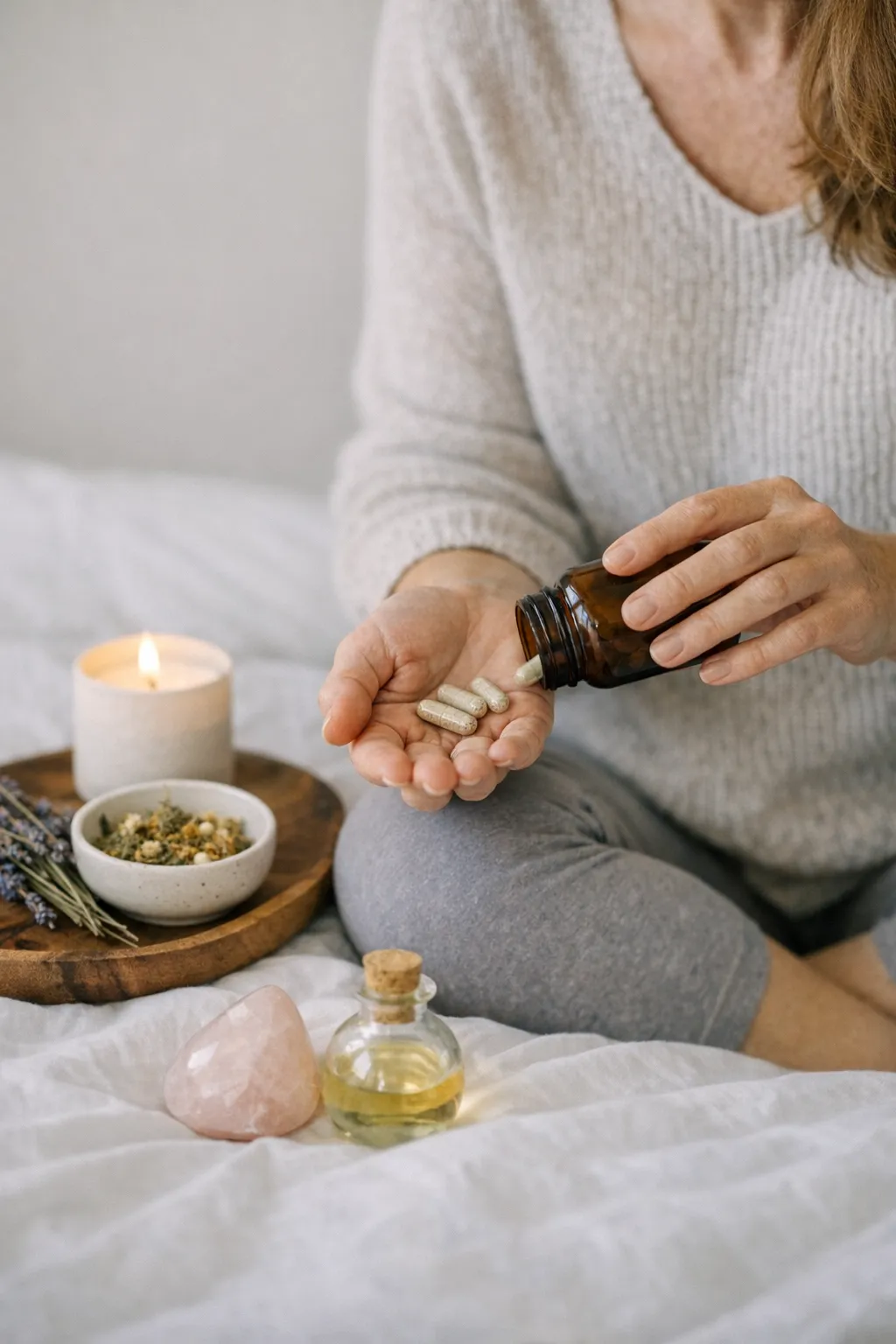
Natural alternatives for menopause symptoms include dietary changes, targeted supplements, regular physical activity, and mind-body practices such as yoga and paced breathing . Some women find that eating whole-food sources of phytoestrogens, including tofu and soy milk, may help reduce hot flash frequency, though study results are mixed and no single supplement has consistently outperformed placebo for vasomotor symptoms. Ground flaxseed and topical vitamin E are two additional options with some supporting evidence: flaxseed may help certain women and may also lower cholesterol, while topical vitamin E has been linked to modest improvements in vaginal lubrication. Because supplements are not regulated the same way as prescription medications and can interact with other drugs, speaking with a clinician before starting any new regimen is an important first step.
Natural Alternatives for Menopause Symptoms: What the Evidence Shows
Can black cohosh reduce hot flashes and night sweats?
Black cohosh may help with mild hot flashes and night sweats, but only for short-term use and with realistic expectations. Studies have not consistently shown it outperforms placebo across all women, and the benefit, where it exists, tends to be modest. It remains one of the more studied herbal options for vasomotor symptoms, which is why it appears frequently in conversations about natural relief.
Rare cases of hepatitis have been reported with black cohosh use, and it may lower blood pressure in some individuals. Anyone considering it should avoid long-term use beyond the durations studied and should not treat it as a substitute for medical evaluation if symptoms are severe.
Do soy and phytoestrogen-rich foods help with menopause symptoms?
Soy contains isoflavones, a type of phytoestrogen that may influence how the body responds to declining estrogen levels during menopause. Some studies show a reduction in hot flash frequency with regular soy consumption, while others find no measurable benefit. The evidence is genuinely mixed, and results vary depending on individual gut microbiome differences that affect how isoflavones are metabolized.
Whole-food sources such as tofu, soy milk, and tempeh are the recommended forms. Tablets and powders are not advised because the concentration and purity of isoflavones in processed supplements can vary significantly. A 2021 study called the Women's Study for the Alleviation of Vasomotor Symptoms (WAVS) found that women following a plant-based diet centered on soybeans reported a 79% reduction in hot flashes, compared to 49% in the control group, though the dietary intervention was broader than soy alone.
Flaxseed is another phytoestrogen-containing option worth mentioning. Ground flaxseed or flaxseed oil is preferred over whole flaxseed, which is difficult to digest. Results for flaxseed and menopause symptoms are also mixed, but some women report improvement, and it may offer the added benefit of supporting cholesterol levels, as documented in the WAVS research .
What lifestyle changes most reliably ease menopause symptoms?
Regular exercise, adequate hydration, and identifying personal dietary triggers are among the most consistently supported lifestyle strategies for managing menopause symptoms. The American Heart Association recommends at least 30 minutes of moderate aerobic activity five days per week, and research suggests that maintaining lean body mass through exercise is associated with fewer vasomotor symptoms. Exercise also helps most people sleep better, which matters given how commonly night sweats and insomnia overlap during menopause.
On the dietary side, caffeine, alcohol, spicy foods, and large meals eaten close to bedtime have all been linked to worsened hot flashes and disrupted sleep. Cold drinks can help reduce the sensation of heat during a hot flash. Quitting smoking, limiting alcohol, and maintaining a healthy weight are also recommended as baseline steps before adding supplements or other interventions.
Can mind-body practices like yoga and meditation reduce symptoms?
Yoga, paced breathing, and meditation may reduce irritability, improve mood, and support better sleep during menopause, with some evidence suggesting benefit for hot flash frequency as well. A 2019 study found that Pilates-based exercise improved sleep quality, reduced fatigue, and supported mood in postmenopausal women. These practices carry minimal risk and can be started gradually, even with sessions as short as five to ten minutes daily.
Hello Again has published guidance on non-hormonal options for managing menopause that includes mind-body strategies alongside other approaches, which may be a useful reference for women building a broader symptom management plan.
What should you know before using any supplement for menopause?
Supplements are not regulated by the government in the same way as prescription medications, meaning that ingredients, concentrations, and purity can vary significantly between products and brands. Red flags include products sold exclusively through a single manufacturer, missing ingredient lists, exaggerated claims, and marketing that relies entirely on testimonials rather than disclosed formulations. Always read labels carefully and look for products with transparent ingredient information and third-party testing where possible.
If you are pregnant, taking prescription medications, or managing an existing medical condition, consult a clinician before adding any supplement to your routine. Some herbs, particularly St. John's wort, interact seriously with antidepressants, blood thinners, and hormonal contraceptives, making professional guidance essential rather than optional.
Key Facts and Data at a Glance
- Women following a plant-based diet centered on soybeans reported a 79% reduction in hot flashes compared to 49% in the control group, according to the 2021 Women's Study for the Alleviation of Vasomotor Symptoms (WAVS) .
- Recommended daily calcium intake during menopause is 1,000 to 1,200 mg, according to the National Institutes of Health Office of Dietary Supplements (2024).
- Recommended daily vitamin D intake is 15 to 20 international units, based on guidance from Chauhan K et al. via the National Institutes of Health (2023).
- The American Heart Association recommends at least 30 minutes of moderate aerobic activity five days per week for adults, per its 2024 physical activity guidelines .
- Higher lean body mass is negatively associated with vasomotor symptoms, meaning women with more lean mass tend to report fewer hot flashes, according to Woods R et al. in the Women's Midlife Health Journal (2020).
- Ultra-processed food consumption has been associated with increased osteoporosis risk in population studies, as reported by Wang S et al. in Nutrition and Metabolism (2024).
- A daily water intake of approximately 33 ml per kg of body weight is recommended to support hydration and weight management, per Khil J et al. in PLOS ONE (2024).
- Pilates-based exercise improved sleep quality, reduced fatigue, and supported mood in postmenopausal women, according to Aibar-Almazán A et al. in Maturitas (2019).
- Supplements are not regulated by the government in the same way as prescription medications, meaning product ingredients and concentrations can vary widely between brands, as noted by WebMD.
Frequently Asked Questions
Is black cohosh safe to use for hot flashes?
Black cohosh may help with mild hot flashes and night sweats in the short term, but it is not considered safe for everyone. Rare cases of hepatitis have been associated with its use, and it may lower blood pressure in some individuals. It should not be used long-term beyond studied durations, and anyone with liver concerns, a hormone-sensitive condition, or a complex medication regimen should speak with a clinician before trying it.
Do soy products genuinely help reduce menopausal symptoms?
Soy products contain isoflavones, a type of phytoestrogen that may reduce hot flash frequency in some women, though study results are mixed and not all women respond the same way. Whole-food forms such as tofu and soy milk are recommended over tablets or powders, where ingredient concentrations can vary significantly. Individual differences in gut bacteria affect how isoflavones are processed, which may partly explain why some women notice a benefit and others do not.
How much calcium and vitamin D should I take during menopause?
During menopause, a daily calcium intake of 1,000 to 1,200 mg is generally recommended to support bone health, along with a daily vitamin D intake of 15 to 20 international units. These nutrients are ideally obtained through food first, with supplements added when dietary intake falls short. Discuss specific dosing with a clinician, particularly if you are taking medications that affect calcium or vitamin D absorption.
Is exercise actually effective for reducing menopause symptoms?
Regular exercise can reduce irritability, improve sleep quality, and may help with hot flash frequency in some women. Research also shows that higher lean body mass is associated with fewer vasomotor symptoms, making strength and weight-bearing activity particularly relevant during this life stage. The American Heart Association recommends at least 30 minutes of moderate aerobic activity five days per week as a baseline for adult health.
Are menopause supplements proven to work?
No supplement has consistently outperformed placebo for vasomotor symptoms across all studies, which means the evidence base for most natural supplements remains mixed. Supplements are also not regulated by the government in the same way as prescription medications, so product quality, ingredient concentrations, and purity can vary widely between brands. Reading labels carefully, looking for transparent ingredient disclosures, and consulting a clinician before starting any supplement are important steps for anyone considering this route.
What lifestyle changes are most effective for managing menopause symptoms?
Quitting smoking, limiting alcohol, maintaining a healthy weight, staying hydrated, and following a diet rich in fruits, vegetables, and whole grains form the foundation of lifestyle-based symptom management during menopause. Identifying personal triggers such as caffeine, spicy foods, or large evening meals can help reduce hot flash intensity and sleep disruption. For women also dealing with vaginal dryness, Hello Again offers a practical overview of natural relief options for vaginal dryness that complements broader lifestyle strategies.