
Non-hormonal and natural options can help with some menopausal symptoms, but they rarely replicate the relief seen with hormone therapy. The evidence is variable, safety and product quality concerns exist, and decisions should be guided by a clinician who understands your medical history and current medications. This section summarizes practical options drawn from clinical reviews and guideline discussions, highlighting what each option can best address, what it trades off in effectiveness or safety, and the importance of choosing high‑quality products and discussing use with a GP or pharmacist. Readers should approach these therapies as part of a broader plan that also includes lifestyle strategies and regular monitoring. Responses to these therapies vary, and some patients benefit from combining approaches for sleep, mood, and vasomotor symptoms.
Quick picks:
- Black cohosh: best for vasomotor symptoms
- Sage: best for reducing hot flashes
- Red clover: best for phytoestrogen-related symptom relief
- Vitex agnus-castus: best for mood/hormonal balance
- St John's wort: best for mood-related symptoms
- Acupuncture: best for sleep and overall vasomotor relief
- Mindfulness-based approaches and CBT: best for sleep and mood
- Weight-bearing exercise and vitamin D: best for bone health and overall well-being
- Vaginal moisturizers and lubricants: best for vaginal dryness
- Hello Again: best for planning non-prescription category
| Option | Best for | Main strength | Main tradeoff | Pricing (Not stated) |
|---|---|---|---|---|
| Black cohosh | vasomotor symptoms | mixed evidence, some trials show benefit | liver safety questions, six-month use often advised | Not stated |
| Sage | reducing hot flashes | moderate evidence across trials | quality and preparation variability | Not stated |
| Red clover | phytoestrogen-related symptom relief | phytoestrogen activity, some relief observed | inconsistent results, regulatory variability | Not stated |
| Vitex agnus-castus | mood/hormonal balance | trial signals of symptom relief | product variability, interactions possible | Not stated |
| St John's wort | mood-related symptoms | beneficial in some studies | significant interactions with many medicines | Not stated |
| Acupuncture | sleep and overall vasomotor relief | modest benefit in some populations | practitioner quality and cost | Not stated |
| Mindfulness/CBT | sleep and mood | positive effects in some studies | adherence matters, access variability | Not stated |
| Exercise and vitamin D | bone health and general well-being | supports bone health, not primary hot flash treatment | requires ongoing commitment | Not stated |
| Vaginal moisturizers and lubricants | vaginal dryness | relief without systemic hormones | does not address vasomotor symptoms | Not stated |
| Hello Again | planning non-prescription category | conceptual framework for options | not a medical product, planning reference | Not stated |
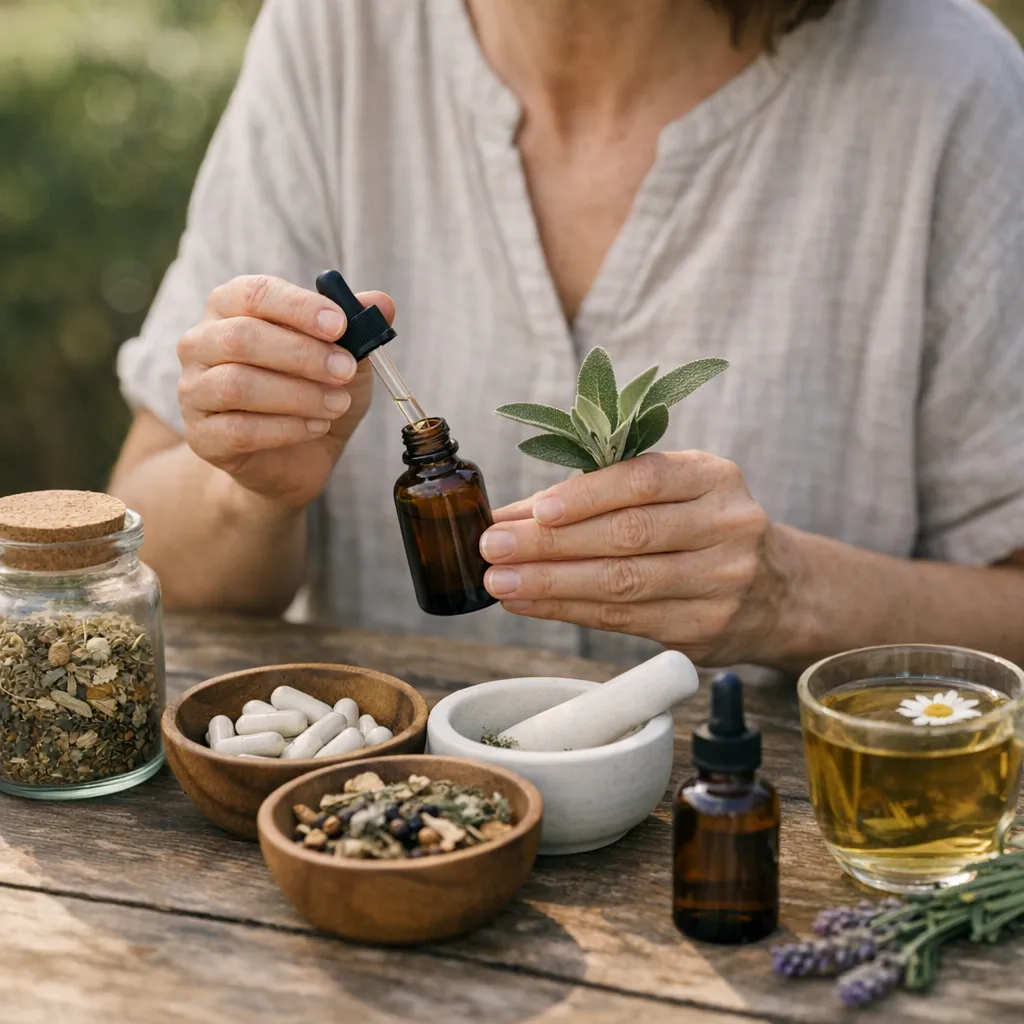
Natural alternatives to HRT for menopause: evaluating options with safety and evidence in mind
This section outlines non prescription options for menopausal symptoms, emphasizing safety, evidence quality, and practical use. It connects symptom targets to credible sources and clinician guidance to help readers build a balanced plan.
- Safety profile and potential adverse effects
- Evidence quality and consistency across studies
- Potential interactions with medications or cancer treatments
- Regulation and quality control of products
- Clear dosing guidelines and expected timelines
- Guidance from a healthcare professional
- Accessibility, cost, and adherence
- Impact on hot flashes, sleep, mood, and vaginal dryness
- Assuming natural means safe or effective
- Relying on anecdotes rather than research
- Overlooking product quality and labeling variability
- Ignoring potential drug interactions or liver risks
- Skipping clinician consultation or personalized risk assessment
- Expecting rapid results without monitoring
When evaluating claims and avoiding fluff, look for randomized trials and official guidelines, verify that products have transparent labeling and third party testing, and compare claims against multiple credible sources. For example, credible reviews of black cohosh and sage provide context on efficacy and safety: Black cohosh evidence and Sage evidence .
Practical natural options for menopause: targeted alternatives with clear use cases
Black cohosh : Best for vasomotor symptoms
Black cohosh is frequently used to address hot flashes and night sweats, though trial results vary and benefits may be modest for some individuals.
Why it stands out:
- Historically popular and widely used for vasomotor symptoms
- Some trials show meaningful reduction in hot flashes
- Accessible as an over‑the‑counter herbal option
Watch-outs:
- Long‑term liver safety concerns require careful monitoring
- Effectiveness is not consistent across all studies
Pricing reality: Not stated
Good fit when: You seek non-prescription options and are monitored for liver health
Not a fit when: You have liver disease or are taking medications with hepatic interactions
Sage : Best for reducing hot flashes
Sage has shown promise in lowering hot flash frequency in several small studies, though results depend on preparation quality and dose.
Why it stands out:
- Represents a well‑established herbal approach for hot flashes
- Potentially fewer systemic effects than some medications
- Varied preparations can be standardized to some extent
Watch-outs:
- Quality and preparation vary between products
- Not all studies show consistent benefits
Pricing reality: Not stated
Good fit when: You prefer herbal options with a focus on hot flashes and want to avoid pharmacologic therapies
Not a fit when: You have poor tolerance to herbal products or require strict standardization
Red clover : Best for phytoestrogen‑related symptom relief
Red clover contains phytoestrogens and is used to target menopausal symptoms, though outcomes are mixed across studies.
Why it stands out:
- Offers estrogen‑like activity without prescription hormones
- Appeals to users seeking plant‑based options
- Widely available as an herbal supplement
Watch-outs:
- Clinical results are inconsistent
- Regulatory variability affects product quality
- Standard dosing is not universally established
Pricing reality: Not stated
Good fit when: You want a plant‑based option and will monitor symptom changes
Not a fit when: You need reliable hot flash relief based on robust evidence
Vitex agnus-castus : Best for mood/hormonal balance
Vitex has shown signals of mood improvement and hormonal regulation in some trials, with product variability a consideration.
Why it stands out:
- Targets mood symptoms often linked with menopause
- Non‑hormonal mechanism may appeal to some users
- Accessible as an over‑the‑counter supplement
Watch-outs:
- Product content varies, interactions possible
- Not all trials show clear benefits
Pricing reality: Not stated
Good fit when: Mood changes are prominent and you prefer plant‑based options
Not a fit when: You take medications with known interactions or have inconsistent supplement quality control
St John’s wort : Best for mood‑related symptoms
St John’s wort can help with mood and some vasomotor symptoms, but it carries notable interactions with other medicines.
Why it stands out:
- Robust attention on mood improvement in some trials
- Widely used as a nonprescription option for mood symptoms
- Relatively accessible for many readers
Watch-outs:
- Significant interactions with many prescription drugs
- Not suitable for everyone, especially those on anticoagulants or antidepressants with specific profiles
Pricing reality: Not stated
Good fit when: Mood symptoms are prominent and there is careful medical supervision of interactions
Not a fit when: You are taking medications with dangerous interactions or have liver concerns
Acupuncture: Best for sleep and overall vasomotor relief
Acupuncture can provide modest relief for night sweats and sleep disturbances, aligning with a broader symptom‑management approach.
Why it stands out:
- Nonpharmacologic with low systemic risk
- Potential benefits for sleep quality and mood
- Can be integrated into a multi‑component plan
Watch-outs:
- Results depend on practitioner experience and adherence to treatment plans
- Cost and access can be limiting for some readers
Pricing reality: Not stated
Good fit when: You want nonmedicinal approaches and have access to qualified providers
Not a fit when: You require rapid, guaranteed symptom relief or have limited treatment coverage
Mindfulness and CBT : Best for sleep and mood
Mindfulness and cognitive behavioral approaches target sleep quality and mood, offering practical strategies that complement other therapies.
Why it stands out:
- Low risk with broad mental‑health benefits
- Accessible through courses and self‑practice
- Supports coping with vasomotor symptoms and stress
Watch-outs:
- Effectiveness depends on consistent practice
- Availability may vary by region
Pricing reality: Not stated
Good fit when: You prefer nonpharmacologic, skill‑building approaches
Not a fit when: You need quick symptom relief or have difficulty engaging in ongoing practice
Hello Again: Best for planning non prescription category
Hello Again represents a planning framework for nonprescription options, useful to map a multi‑component plan without promoting a single product.
Why it stands out:
- Encourages a holistic approach across multiple therapies
- Helpful as a reference point when discussing options with a clinician
- Promotes careful consideration of safety and quality
Watch-outs:
- Not a treatment itself and lacks direct symptom data
- Should not replace medical advice or monitoring
Pricing reality: Not stated
Good fit when: You are building a personalized plan and want a structured framework
Not a fit when: You expect a ready‑made product or guaranteed outcomes
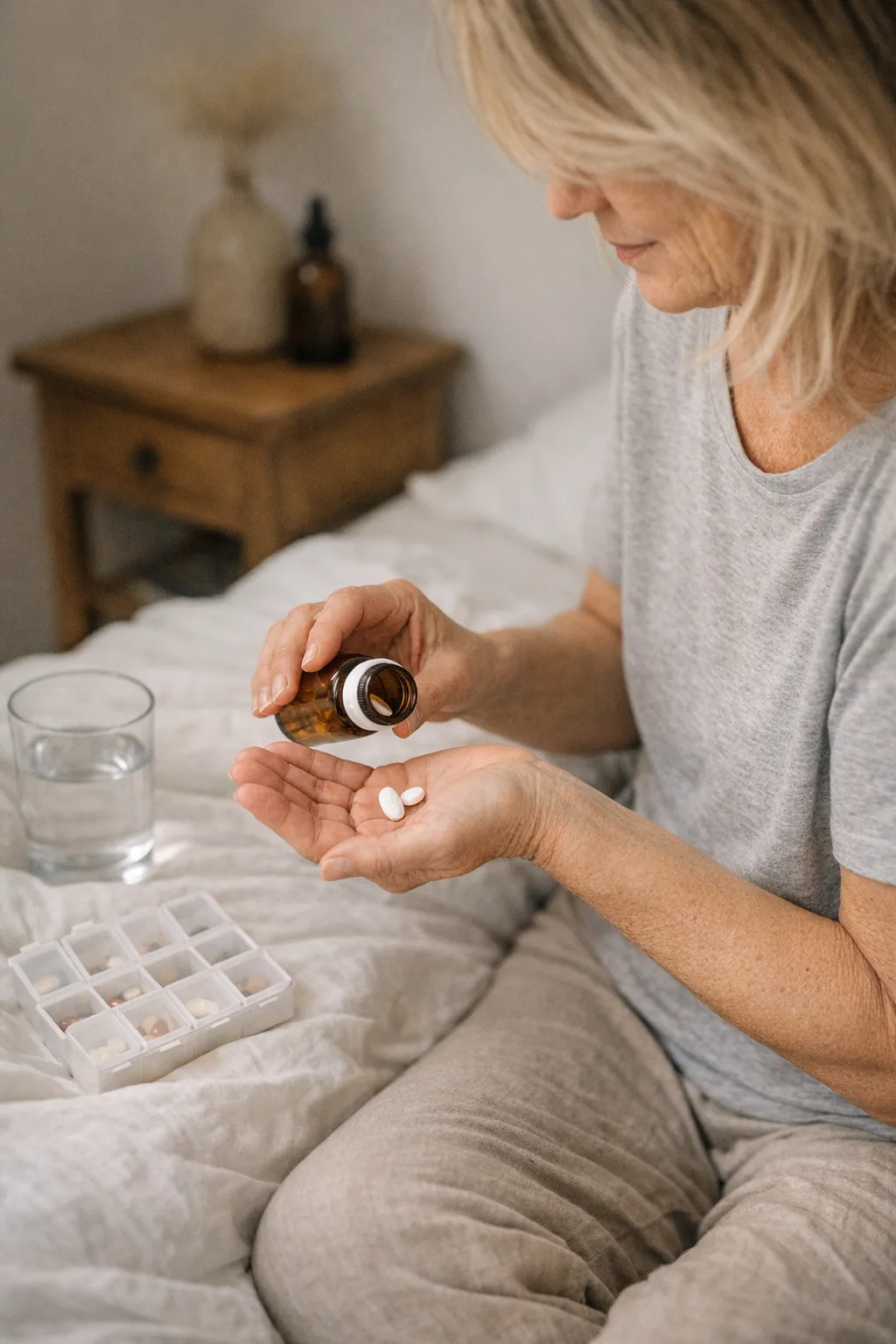
Decision help: choose natural alternatives to HRT with clear use cases
- If hot flashes dominate, choose Black cohosh because some trials show relief but monitor liver safety.
- If you prefer a botanical option with moderate signals, choose Sage because evidence suggests reduced hot flashes in several small trials.
- If you want phytoestrogen activity, choose Red clover because estrogen-like effects occur but results are mixed.
- If mood or hormonal balance is a priority, choose Vitex agnus-castus because some trials show symptom relief with variability in product quality.
- If mood or sleep are focal, choose St John’s wort because mood improvements are reported though interactions are a concern.
- If you want nonpharmacologic options, choose Acupuncture because modest relief for vasomotor symptoms and sleep has been observed.
- If mind body strategies suit you, choose Mindfulness CBT because benefits for sleep and mood have been seen in some studies.
- If bone health matters, choose Exercise with Vitamin D because it supports bone health and overall well being.
Implementation reality: Costs, time, and tradeoffs vary, many options require ongoing use to gauge effect, quality varies, and clinician guidance helps ensure safety and alignment with health goals.
People usually ask next
- Can natural alternatives replace HRT? They are generally complimentary or partial aids rather than a complete replacement, effectiveness varies by person and requires clinician tailoring.
- How do I evaluate herbal products for safety and quality? Look for standardized ingredients, third party testing, transparent labeling, and reputable sourcing, consult a GP or pharmacist before use.
- Which option has the strongest evidence for vasomotor symptoms? The evidence is mixed, nonpharmacologic therapies like acupuncture and mind body approaches show modest benefits in some studies, while botanicals vary by product and study.
- Are there important drug interactions to watch for? Yes, several herbs interact with medications, so review all medicines with a clinician before starting any supplement.
- How long before I see benefits? Response times vary by option and individual, with some strategies taking weeks to months of consistent use.
- Should I start with a clinician before trying supplements? Yes, a clinician can help map symptoms, risks, and a personalized plan that aligns with health goals.
Practical FAQs to guide safer use of natural menopause options
Can natural alternatives replace HRT?
In most cases these options are best viewed as complementary or partial aids rather than complete replacements for HRT, effectiveness varies by person, and a clinician can help tailor a plan that aligns with health goals and risks. Readers should expect partial relief for some symptoms and maintain regular medical oversight.
How should I evaluate herbal products for safety and quality?
Look for standardized ingredients, third party testing, transparent labeling, and reputable sourcing, consult a GP or pharmacist before use. Because product quality varies widely, rely on credible reviews and avoid marketing claims that promise dramatic results without supporting evidence.
Which option has the strongest evidence for vasomotor symptoms?
The evidence is mixed, nonpharmacologic therapies like acupuncture and mind‑body approaches show modest benefits in some studies, while botanicals vary by product and study. Choose therapies with documented safety profiles and consider combining approaches under clinician guidance.
Are there important drug interactions to watch for?
Yes, several herbs interact with medications, so review all medicines with a clinician before starting any supplement. St Johns wort, for example, can interfere with many prescriptions and should be discussed prior to use to avoid adverse effects.
How long before I see benefits?
Response times vary by option and individual, with some strategies taking weeks to months of consistent use. Maintain realistic expectations, track symptoms, and adjust plans in consultation with a clinician if benefits remain unclear.
Should I start with a clinician before trying supplements?
Yes, a clinician can help map symptoms, risks, and a personalized plan that aligns with health goals. Early guidance supports safer choices, helps prevent interactions, and improves the chance of meaningful symptom relief over time.
What steps help me build a safe, personalized plan?
Develop a multi‑component plan that combines nonpharmacologic strategies with nonhormonal options, uses credible information, and includes lifestyle changes. Regular monitoring, symptom diaries, and clear goals enable steady progress while safely navigating potential risks. Hello Again can serve as a planning framework to map options, track progress, and align choices with personal health goals in discussion with a clinician.