
Perimenopause symptoms by age vary, with early signs often appearing in the 30s to early 40s and more pronounced changes in the late 40s to early 50s. In the 30s to early 40s, irregular periods and mood or sleep changes are common as estrogen declines. In the late 40s to early 50s, cycles remain irregular and hot flashes, night sweats, and vaginal dryness may intensify. Fertility can persist during perimenopause, so contraception discussions are advised until you have had 12 consecutive months without a period. Every person experiences the transition differently, so a clinician can tailor guidance to your age, symptoms, and health history, an age-specific guide can help you prepare for conversations.

Perimenopause symptoms by age: what to expect
What signs tend to show up in the 30s and early 40s?
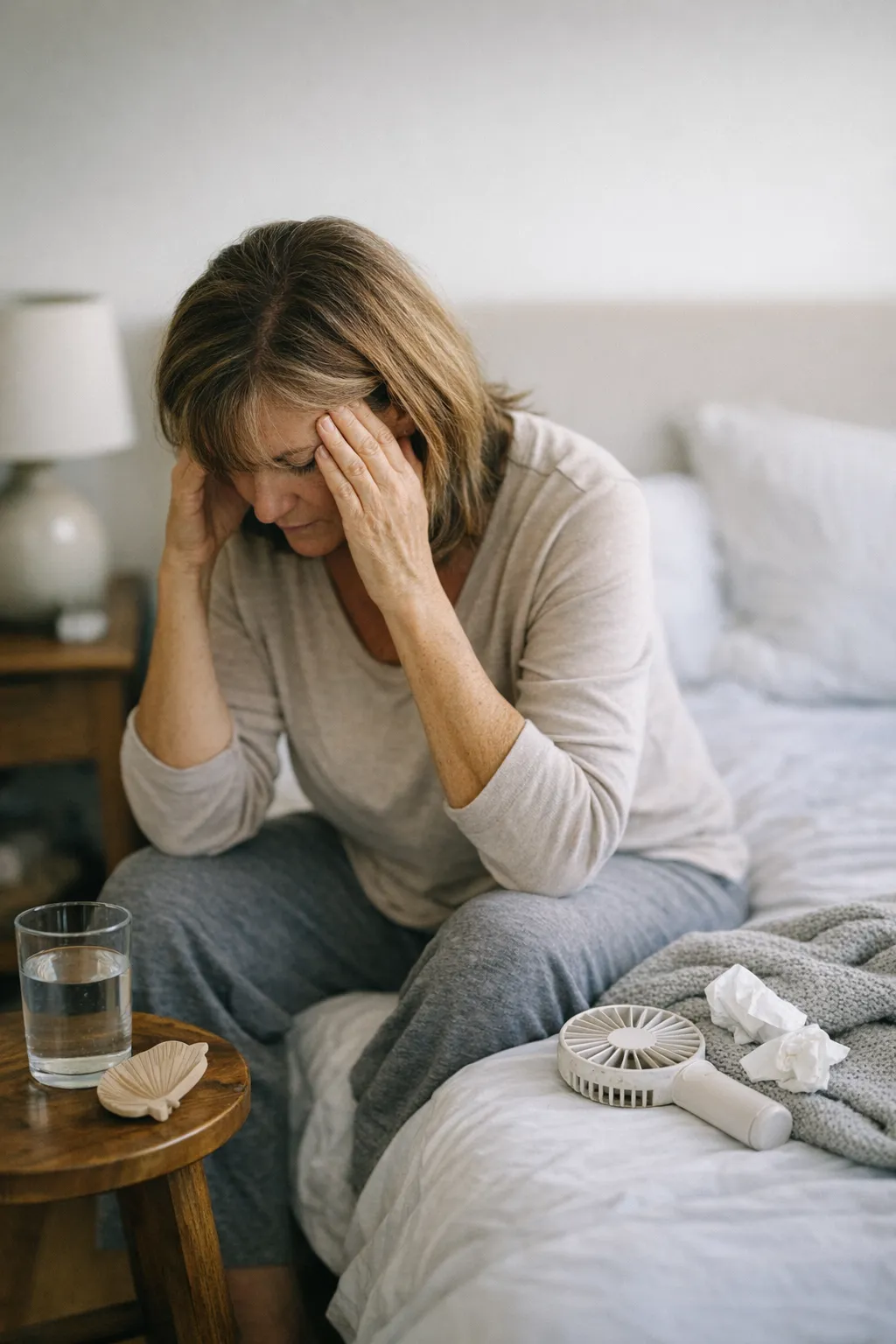
In your 30s and early 40s, perimenopause usually begins with irregular periods and subtle changes in mood or sleep rather than dramatic upheavals. The shifts can be gradual, with the cycle drifting by a few days here and there and the flow sometimes heavier one month and lighter the next. You might also notice brief warmth or night sweats that come and go, and these early signs are influenced by stress, sleep quality, and overall health.
Estrogen declines start to affect cycle length and bleeding patterns. Some people report heavier or lighter periods, skipped cycles, or cycles that run longer than usual, while others notice a tendency toward waking at night to cool down. These patterns reflect a shifting hormone balance and can vary widely from person to person. For a concise overview, see the Office on Women's Health overview .
Keeping a symptom journal helps you track patterns and discuss them with a clinician because experiences differ between individuals and over time. Early conversations can cover contraception needs if pregnancy remains possible and discuss lifestyle steps-consistent sleep, regular exercise, balanced meals, and stress management-that may ease early symptoms and improve overall well being during the transition.
Do symptoms change as you approach late 40s and early 50s?
As you approach the late 40s and early 50s, symptoms can shift in pattern as hormones continue to fluctuate and the body moves toward cessation of monthly cycles. The timing and intensity of hot flashes, night sweats, mood changes, and sleep disruption can change from week to week as you near menopause. These shifts emphasize why a flexible, individualized plan often works best.
The duration of perimenopause remains variable: the average is about four years, but some people experience it longer, up to eight years. During this phase, cycles may stay irregular even as fertility declines, and vaginal dryness or urinary symptoms can become more noticeable, prompting conversations about moisturizers, pelvic floor exercises, or hydration strategies. For additional context, see the Office on Women's Health overview .
A concrete detail to remember is that hot flashes can intensify during this stage and then fade, with nighttime episodes sometimes occurring intermittently for weeks before settling.
Can you still become pregnant during perimenopause?
Pregnancy remains possible during perimenopause if cycles continue, and fertility can linger even as cycles become irregular. Because ovulation can occur unpredictably, contraception discussions stay until you have no period for 12 consecutive months. For personalized guidance, Learn more with Hello Again .
External context can help, so see the Office on Women's Health overview for additional guidance on timing and safety considerations during this transition. This information can support conversations with your clinician about options that align with your health history and plans.
Safety note: consult a clinician about pregnancy risk and medications.
Is hormone testing required to diagnose perimenopause?
No, hormone testing is not required to diagnose perimenopause. Diagnosis is typically based on your history and symptom pattern, recognizing that hormone levels fluctuate and may not provide a definitive answer. Tests might be used to rule out other conditions, but a single value rarely confirms the transition.
If you want to verify details or explore testing in your case, consider the Office on Women's Health menopause overview as a reference point. It offers a clear summary of what to expect and how clinicians approach evaluation.
If symptoms disrupt daily life, discuss treatment options with your clinician to balance risks and benefits, including lifestyle adjustments and medications when appropriate.
Key data and facts by age
- Average length of perimenopause is about four years (2024) according to Cleveland Clinic .
- Typical onset is in the mid-40s, with signs that may begin in the mid-30s or mid-50s, per Office on Women's Health .
- Fertility can persist during perimenopause, so contraception discussions continue until you have 12 months without a period, per Planned Parenthood .
- Hormone testing is not required to diagnose perimenopause and can be unreliable, per FDA .
- Treatment options include antidepressants, low-dose birth control pills, hormone therapy, vaginal moisturizers, and calcium with vitamin D, per North American Menopause Society .
FAQ
What is perimenopause and when does it start?
Perimenopause is the transition before menopause when estrogen declines and periods become irregular. It typically begins in the 30s to the 50s and ends after you have had no period for 12 consecutive months, marking menopause. During this time, hormone fluctuations can cause a range of symptoms, including changes in cycle length, sleep problems, and hot flashes. For a concise overview, see the Office on Women's Health overview.
How long does perimenopause last?
Perimenopause lasts on average about four years, but it can extend up to eight years in some people. The duration varies with individual hormone fluctuations, and cycles may stay irregular as you approach menopause. A concrete detail: typical start age is mid-40s, but signs can begin in the mid-30s or mid-50s. Cleveland Clinic overview .
Can you still get pregnant during perimenopause?
Yes, pregnancy remains possible during perimenopause if cycles continue, since ovulation can occur unexpectedly. Contraception discussions stay until you have no period for 12 consecutive months, and your clinician can help determine the safest options based on your age and health. Learn more with Hello Again .
Is hormone testing required to diagnose perimenopause?
No, hormone testing is not required to diagnose perimenopause. Diagnosis is typically based on history and symptom pattern, recognizing that hormone levels fluctuate and may not provide a definitive answer. Tests might be used to rule out other conditions, but a single value rarely confirms the transition. FDA menopause overview .
What are the most common symptoms?
Irregular periods, hot flashes, night sweats, mood changes, sleep problems, vaginal dryness, urinary changes, and fatigue are among the most common symptoms during perimenopause. The exact mix varies by person and can come and go as hormones fluctuate throughout the transition. Hello Again sleep guidance .