
For the topic of vaginal suppository vs vaginal moisturizer for menopause dryness, the choice depends on where hydration should occur and how long relief lasts. Internal suppositories deliver inside-out moisture to vaginal tissues, often on a maintenance schedule (every 2–3 days) and may offer longer-lasting relief without daily application. External vaginal moisturizers provide surface moisture and faster onset, making them suitable for daily use or around intimacy. Non-hormonal hyaluronic acid products are generally safe for most readers seeking hormone-free relief, while hormonal estrogen therapies can yield stronger tissue changes but may not be appropriate for all. A combined approach-using a suppository for ongoing tissue hydration and a moisturizer for immediate comfort-can address both tissue health and surface moisture. Always align product choice with medical guidance, symptom severity, and safety preferences when evaluating vaginal suppository vs vaginal moisturizer for menopause dryness. Consider talking with a clinician about symptom patterns, potential interactions with other vaginal products, and personal medical history to tailor a plan.
TLDR:
- Internal suppositories provide longer-lasting inside-out hydration for vaginal tissue, suitable for maintenance on a 2–3 day schedule.
- External moisturizers deliver surface moisture with quicker relief, useful for daily use or around intimacy.
- Non-hormonal HA options are generally safe, hormonal estrogen therapies may offer stronger tissue changes but carry safety considerations.
- A combined approach can address both tissue health and surface comfort, depending on symptoms and safety preferences.
- Decision should consider delivery method, onset, duration, safety, accessibility, and personal health context in the vaginal suppository vs vaginal moisturizer for menopause dryness question.
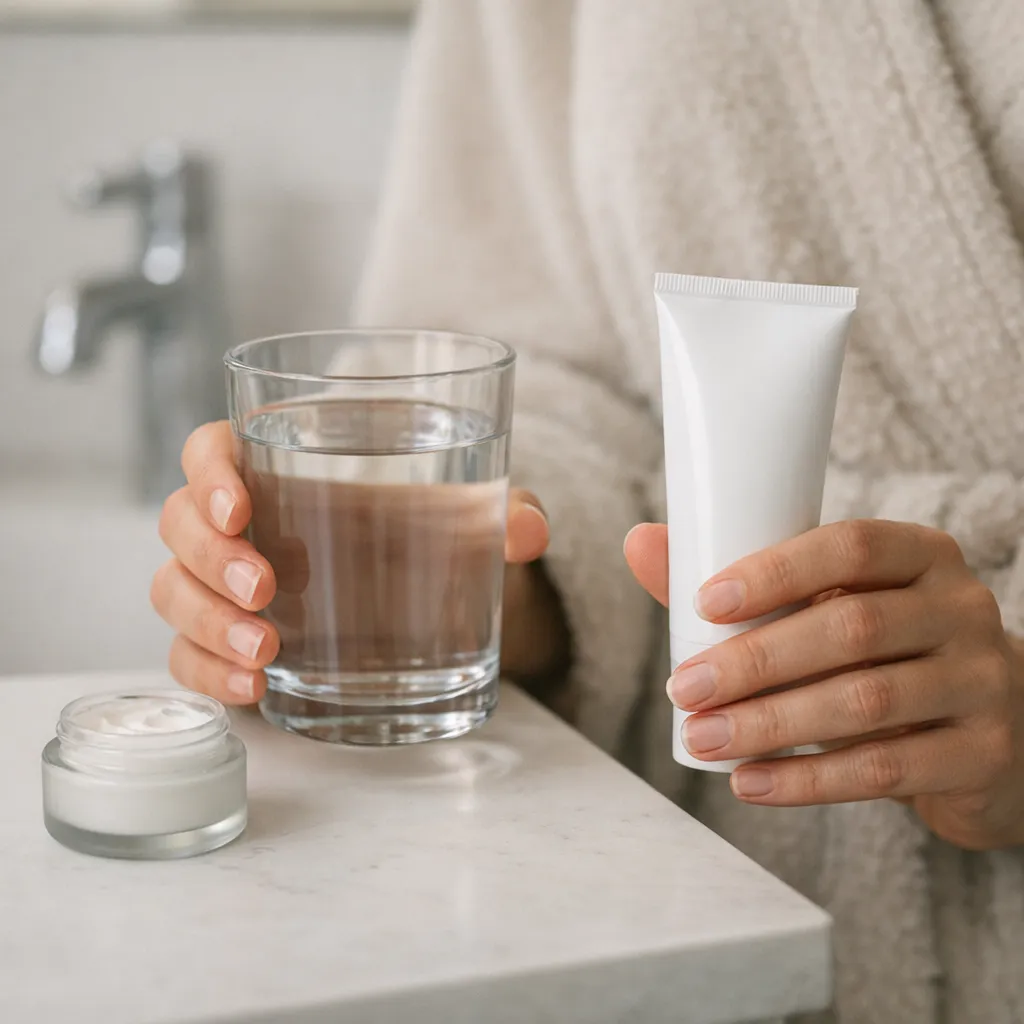
Choosing between vaginal suppositories and moisturizers for menopause dryness: an evidence-based table
This section presents a concise, evidence-based comparison of internal vaginal suppositories versus external vaginal moisturizers for menopause-related dryness. It highlights where hydration occurs, the typical duration of relief, and the safety profile across common options. The table focuses on non-hormonal HA products and other non-hormonal choices, while acknowledging hormonal therapies exist outside this comparison. Pricing is not stated in the cited sources and is not included beyond that note.
| Option | Best for | Main strength | Main tradeoff | Pricing |
|---|---|---|---|---|
| Miracle Melts | Long-acting inside-out hydration | Hormone-free internal hydration via suppositories | Requires insertion, potential discharge as it melts | Not stated |
| Revaree | Dedicated internal moisture via a vaginal moisturizer suppository | Consistent internal moisture delivery | Similar maintenance schedule to other suppositories | Not stated |
| Carlson Key–E Suppositories | Soothing without added hydration | Non-hydrating soothing option | No additional surface hydration | Not stated |
| Replens | Long-lasting surface moisture | External, lasting surface hydration | May require ongoing reapplication for ongoing symptoms | Not stated |
| HYALO GYN | HA-based external hydration (gel) | Hyaluronic acid–based surface hydration | External application, may require reapplication | Not stated |
| HYALO GYN 0.2% Gel | Targeted HA-based surface moisture | HA-based gel with focused surface hydration | External application, similar reapplication needs | Not stated |
| Via by Solv Wellness | Ongoing daily surface moisture | Convenient daily surface moisture with access | Requires regular use, ongoing cost considerations | Not stated |
| Good Clean Love BioNourish Ultra Moisturizing Vaginal Gel with HA | On-demand HA-based surface moisturization | HA-based surface moisturization on demand | May not provide long-lasting relief like internal products | Not stated |
How to read this table:
- Best for indicates the primary scenario where the option has shown evidence-based benefit (internal vs surface hydration).
- Main strength highlights the key, evidence-backed advantage of the product type.
- Main tradeoff notes the main limitation or consideration that could affect choice.
- Pricing reflects whether the sources provided explicit price information, if not, it is stated as not stated.
- Hormonal vs non-hormonal status informs safety considerations for those with cancer treatment or hormone sensitivity.
- Delivery method clarifies how and where moisture is delivered (inside the tissue vs on the surface).
- Evidence base indicates how robust the supporting data are for each option, guiding confidence in use.
A practical, evidence-based look at each option in the vaginal suppository vs vaginal moisturizer decision
Miracle Melts
Best for: Long-acting inside-out hydration delivered via internal suppositories on a maintenance schedule.
What it does well:
- Hormone-free internal hydration targeting vaginal tissues
- Maintenance-friendly every 2–3 days
- Inside-out moisture delivery that supports tissue health
Watch-outs:
- Requires insertion and may discharge as it melts
- Does not provide immediate surface lubrication
Notable features: Designed for non-hormonal hydration with a focus on inside tissue moisture, suitable for users seeking longer-lasting relief with minimal daily dosing.
Setup or workflow notes: Incorporate into a bedtime or routine schedule, store per product guidance, plan around a 2–3 day reapplication cycle to maintain tissue hydration.
Revaree
Best for: Dedicated internal moisture via a vaginal moisturizer suppository.
What it does well:
- Consistent internal moisture delivery
- Non-hormonal option for inside-vaginal hydration
- Targeted internal moisture support aligning with maintenance goals
Watch-outs:
- Requires insertion like other suppositories
- Maintenance schedule similar to other internal options
Notable features: Specifically positioned as an internal moisture product, emphasizing sustained relief without hormonal exposure.
Setup or workflow notes: Use as part of a regular internal hydration plan, coordinate with any surface moisturizers if additional surface comfort is needed.
Carlson Key–E Suppositories
Best for: Soothing without added surface hydration, a non-hydrating option.
What it does well:
- Non-hydrating soothing option for irritation relief
- Simple internal use without addressing surface moisture
- Low-impact approach for sensitive tissue
Watch-outs:
- No additional surface moisture provided
- Less suitable for ongoing surface dryness or lubrication needs
Notable features: Focuses on soothing effects inside the vaginal canal without contributing to surface hydration.
Setup or workflow notes: Integrate into an internal hydration plan only if surface moisture is not a priority, monitor for overall symptom balance with other options.
Replens
Best for: Long-lasting surface moisture from a vaginal moisturizer.
What it does well:
- External, lasting surface hydration
- Daily or as-needed use for surface comfort
- Non-hormonal profile suitable for many users
Watch-outs:
- May require ongoing reapplication for persistent symptoms
- Primarily surface-focused rather than interior tissue hydration
Notable features: Widely used as a topical moisture option, offering straightforward application for everyday comfort.
Setup or workflow notes: Use as part of daily moisture management or around activities that raise friction, pair with internal options if deeper hydration is desired.
HYALO GYN
Best for: Hyaluronic acid–based external hydration via a gel format.
What it does well:
- HA-based surface hydration
- Non-hormonal option with topical application
- Easy-to-use gel for regular surface moisture
Watch-outs:
- External application requiring reapplication
- Does not address interior tissue hydration directly
Notable features: Uses HA to support surface moisture and tissue comfort without hormones, suitable for those seeking a non-hormonal surface option.
Setup or workflow notes: Apply as part of daily or as-needed surface moisture routine, consider timing around intimacy if needed for comfort.
HYALO GYN 0.2% Gel
Best for: Targeted HA-based surface moisture with a focused application approach.
What it does well:
- HA-based gel with focused surface hydration
- Simple, quick application for on-demand relief
- Non-hormonal option suitable for sensitive tissue
Watch-outs:
- External use, requires reapplication for ongoing symptoms
- Does not provide interior tissue hydration
Notable features: A variant of HA gel designed for precise surface moisturization with a non-hormonal safety profile.
Setup or workflow notes: Use as part of a surface moisture plan, coordinate with internal methods if interior hydration is also needed.
Via by Solv Wellness
Best for: Ongoing daily surface moisture with convenient access.
What it does well:
- Regular surface moisture with easy daily use
- Accessible through straightforward purchase or subscription
- Non-hormonal option suitable for routine management
Watch-outs:
- Requires ongoing use to maintain relief
- Ongoing cost considerations may apply with long-term use
Notable features: Designed for convenient daily support of surface moisture, fits into routine care without hormonal exposure.
Setup or workflow notes: Establish a regular application schedule, track symptom patterns to adjust frequency as needed.
Good Clean Love BioNourish Ultra Moisturizing Vaginal Gel with HA
Best for: On-demand HA-based surface moisturization for immediate comfort.
What it does well:
- HA-based surface moisturization available on demand
- Non-hormonal option with quick relief
- Contributes to surface hydration with flexible use
Watch-outs:
- May not provide long-lasting relief like some internal products
- Requires frequent reapplication for continuous symptoms
Notable features: Emphasizes rapid surface moisture with HA, suitable for users seeking quick comfort without hormones.
Setup or workflow notes: Use for short-term or situational relief, pair with an internal option if deeper tissue hydration is needed over time.
Decision help: choosing between vaginal suppositories and moisturizers for menopause dryness
When deciding between internal vaginal suppositories and external vaginal moisturizers for menopause-related dryness, consider where moisture is needed, how quickly relief is desired, and safety preferences. Internal suppositories tend to provide longer-lasting, inside-out hydration, while external moisturizers offer immediate surface moisture and easier daily use. Non-hormonal hyaluronic acid options are commonly favored for safety, but hormonal therapies may be more effective for some tissues. Many individuals use a combination approach to address both tissue health and surface comfort, guided by medical advice.
- If you want long-acting internal hydration and can tolerate vaginal insertion, choose Miracle Melts because they deliver inside-out moisture on a 2–3 day maintenance schedule.
- If you want dedicated internal moisture with a non-hormonal option, choose Revaree because it targets internal moisture without hormones.
- If you want soothing without adding surface hydration, choose Carlson Key–E Suppositories because they are a non-hydrating option.
- If you want lasting surface moisture with straightforward application, choose Replens because it provides external moisture.
- If you prefer non-hormonal HA-based surface hydration, choose HYALO GYN because HA-based external hydration.
- If you want a lighter HA gel with targeted surface moisture, choose HYALO GYN 0.2% Gel because it offers focused surface hydration.
- If you want convenient daily surface moisture with easy access, choose Via by Solv Wellness because it fits into routine use.
- If you want on-demand surface moisture for quick relief, choose Good Clean Love BioNourish Ultra Moisturizing Vaginal Gel with HA because it provides rapid relief.
- If you want to minimize hormone exposure across options, prioritize non-hormonal HA options (internal or external) based on need.
- If you want to balance maintenance and intimacy, consider pairing an internal suppository with a surface moisturizer for comprehensive relief.
People usually ask next
People usually ask next
- What is the difference between vaginal suppositories and vaginal moisturizers? They deliver moisture inside vs on the surface, with different onset and duration.
- Are HA products safe during menopause and cancer treatment? Most HA products are non-hormonal and generally well tolerated, consult your clinician for treatment-specific guidance.
- Can I use both internal and external products together safely? In many cases, yes, but follow usage directions and space applications to avoid potential interactions.
- How often should I use each option? Suppositories are often on a 2–3 day maintenance schedule, moisturizers may be daily or as-needed around intimacy.
- Do these products require a prescription? Most non-hormonal moisturizers and HA-based products are OTC in many regions, hormonal products require a clinician prescription.
- Will estrogens be necessary for my symptoms? Some individuals may benefit from estrogen therapies, but non-hormonal options are often considered first-line for safety.
Helpful FAQs for choosing between vaginal suppositories and moisturizers
What is the difference between vaginal suppositories and vaginal moisturizers?
Internal vaginal suppositories deliver hydration from inside the vaginal walls, while external vaginal moisturizers hydrate the surface. Suppositories are typically used on a maintenance schedule (every 2–3 days) and can provide longer-lasting tissue hydration, whereas gels or creams offer quicker, surface-level relief and are easier to integrate into daily routines. Non-hormonal options such as hyaluronic acid are common, with hormone therapies providing stronger tissue changes for some patients.
Are hyaluronic acid products safe to use during menopause?
Most hyaluronic acid products are non-hormonal and considered safe for many readers seeking menopause-related relief, offering surface or internal hydration without systemic hormones. They are generally well tolerated, though individual sensitivities and existing cancer-treatment considerations may apply. For people undergoing cancer therapy or with hormone safety concerns, consult a clinician to tailor choices and confirm compatibility with other vaginal products.
Can I use both internal and external products together safely?
Yes, many people use a combination approach to address both tissue health and surface comfort. If using both, stagger applications to avoid interference, and follow product directions. For example, a suppository can be scheduled on a maintenance basis while a surface moisturizer can be used daily or around intimacy. Check with a clinician if you have specific treatment considerations.
How often should each option be used?
Suppositories are commonly used every 2–3 days as part of maintenance for interior hydration. External moisturizers are typically used daily or as-needed for surface moisture and around sexual activity. The exact frequency depends on the product and symptom severity, some people adjust use based on drying, friction, or comfort levels, always following product instructions.
Do these products require a prescription?
Most non-hormonal moisturizers and hyaluronic acid-based products are available over the counter in many regions. Hormonal vaginal therapies, including estrogen-containing products, generally require a clinician prescription and supervision. Availability can vary by country and formulation, so verify local access and guidance with a healthcare professional.
Will estrogens be necessary for my symptoms?
Estrogen therapies may provide stronger tissue changes and symptom relief for some individuals, particularly with vaginal atrophy. They are not required for everyone and are often considered after non-hormonal options have been tried or for more persistent symptoms. Safety considerations, personal medical history, and clinician guidance shape whether estrogen is appropriate.
Should I pair internal with external moisturizers?
A combined approach is commonly discussed to address both deeper tissue moisture and surface comfort. Using a suppository for maintenance plus a surface moisturizer around intimacy can be effective, provided products are used as directed and timing is coordinated to avoid redundancy. Always discuss combination use with a clinician in the context of cancer treatment and hormone safety.