
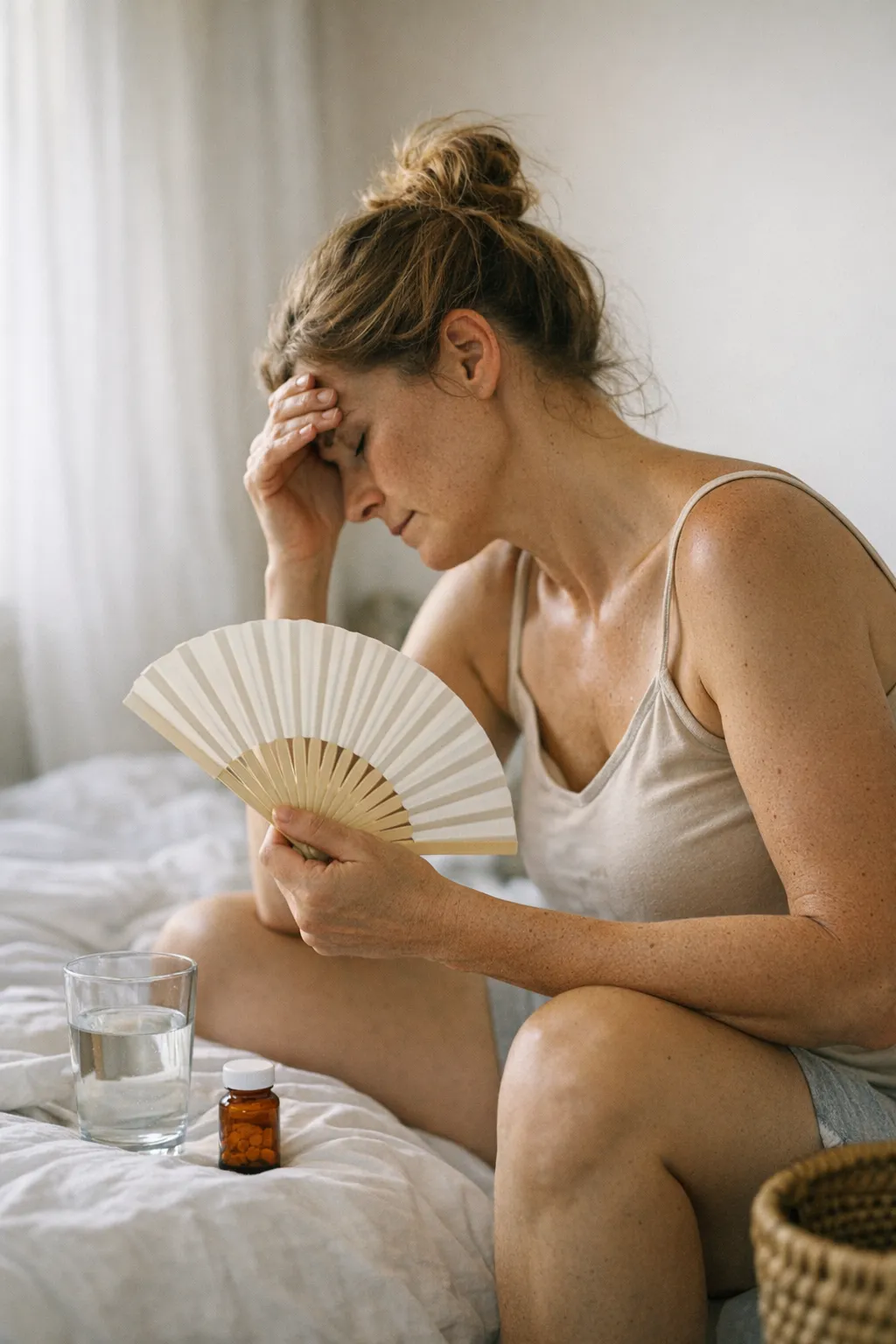
Early signs of perimenopause are irregular menstrual cycles and fluctuating hormone symptoms. Many people notice hot flashes or night sweats as estrogen declines, sometimes with accompanying sleep disturbances. Mood changes and vaginal dryness are common, and cycles may become longer or shorter before they stop. Onset most often occurs in the mid 30s to mid 40s and these signs can persist for several years. Because hormones rise and fall unpredictably during this phase, symptoms can wax and wane over years. The possibility of pregnancy remains until menopause is reached, so conversations about contraception may still be relevant. Managing lifestyle factors like sleep, diet, and stress can help ease the transition and improve daily functioning.
What are the early signs of perimenopause?
What are the early signs of perimenopause?
Early signs include irregular periods with cycles that lengthen or shorten unpredictably, and fluctuating hormone symptoms such as hot flashes, night sweats, sleep disturbances, mood swings, irritability, fatigue, and changes in libido. These signals reflect the body adjusting to shifting estrogen and progesterone as ovulation becomes less regular and the brain's temperature control recalibrates to a new baseline. For many, these symptoms begin gradually and then fluctuate in intensity over time, sometimes lasting several years and affecting daily life at home, work, and social activities.
These patterns often start with subtle deviations from a typical cycle, followed by more noticeable shifts in daily energy and mood, as well as vaginal dryness or urinary changes that accompany hormonal variation. An example is a person who previously had a consistent 28 day cycle seeing it drift to 32 to 38 days while also experiencing sporadic night sweats and occasional headaches. The variability can complicate planning but signals the transition toward menopause and the need to adapt routines, sleep habits, and self care strategies. Additionally, some people notice changes in skin texture, hair thickness, and vaginal moisture that contribute to discomfort or changes in self-image.
When do early signs usually begin?
Signs typically begin in the mid 30s to mid 40s, though individual timelines vary widely based on genetics, health history, and lifestyle. Some people notice changes earlier, while others have a later start, reflecting the diversity of how the transition unfolds and the way hormones interact with stress, weight, and sleep patterns.
The transition usually starts about eight to ten years before menopause, with cycles becoming irregular-longer gaps between periods or occasional skipped months-and new symptoms such as hot flashes, night sweats, sleep disruption, and mood shifts gradually emerging. During this phase, mood fluctuations, fatigue, and sleep quality can be impacted, and energy levels may rise and fall in tandem with hormonal changes.
Safety note: If pregnancy is possible or medications are being considered, consult a clinician.
Can pregnancy occur during early perimenopause?
Yes, pregnancy is possible as long as you have a period. In perimenopause, ovulation can occur irregularly, so cycles that seem nonfertile may still produce a pregnancy.
Because conception is still possible, contraception decisions remain relevant through midlife. Discuss reliable options with a clinician to plan family goals, consider non hormonal methods such as condoms or copper IUD, and review potential interactions with medications or health conditions.
What helps with early perimenopause symptoms?
Lifestyle measures and symptom driven strategies can help you manage early perimenopause more comfortably, including consistent sleep routines, regular aerobic and resistance exercise, and a balanced diet with plenty of fruits, vegetables, whole grains, lean protein, and healthy fats to support energy, mood, and bone health.
Other practical steps include staying hydrated, avoiding triggers such as excessive caffeine or alcohol, dressing in layers to adapt to temperature shifts, and using vaginal lubrication for dryness when needed. If symptoms are disruptive, talk with a clinician about medications or nonhormonal options, and consider Hello Again perimenopause guide .
What does the data say about early signs of perimenopause?
- The transition lasts about four years on average, though it can extend to eight years, according to the Cleveland Clinic perimenopause overview .
- Signs can begin in the mid 30s to mid 40s, with onset typically eight to ten years before menopause, as summarized in the PubMed reference Delamater and Santoro 2018 .
- Menopause is defined as no period for 12 months, a key timeline described in the Cleveland Clinic perimenopause overview .
- Pregnancy remains possible during perimenopause as long as a period occurs, a point supported by the Cleveland Clinic overview here .
- Diagnosis is usually based on symptoms and age rather than routine hormone testing, a pattern noted in the PubMed reference Delamater and Santoro 2018 .
- After menopause, the risk of osteoporosis and cardiovascular disease increases, a fact highlighted by the Cleveland Clinic overview here .
- For readers seeking practical relief, Hello Again offers personalized guidance on menopause management via the Hello Again menopause guide Hello Again menopause guide .

FAQ
What is perimenopause and how is it different from menopause?
Perimenopause is the transitional phase before menopause, marked by declining estrogen levels and irregular periods as the body adjusts to changing hormone rhythms. Menopause is defined as no menstrual bleeding for 12 consecutive months. During perimenopause, fluctuating hormones can cause irregular cycles, hot flashes, night sweats, sleep disruption, mood changes, vaginal dryness, and urinary changes. Recognizing this transition helps you plan for symptom relief, fertility discussions, and lifestyle adjustments that support daily well being. For context, see the Cleveland Clinic perimenopause overview.
How long does early perimenopause last?
The transition lasts about four years on average, though it can extend to eight years. This period is defined by progressive hormonal shifts that gradually reduce estrogen production and alter the regularity of the menstrual cycle. Individual experiences vary, with some people noticing symptoms earlier or later and for different durations. Understanding the typical timeframe helps guide expectations for symptom management and planning for medical guidance as needed. Source: Cleveland Clinic perimenopause overview.
Can I still get pregnant during perimenopause?
Yes, pregnancy is possible as long as you have a period, fertility declines but cycles can still ovulate, so contraception discussions may be relevant. Irregular ovulation means pregnancy can occur even when cycles seem less predictable, particularly in the mid to late 40s. If avoiding pregnancy is important, talk with a clinician about reliable options and how they fit with any other health considerations. Source: Cleveland Clinic perimenopause overview.
At what age do early signs usually start?
Signs often begin in the mid 30s to mid 40s, with onset typically eight to ten years before menopause. This timing reflects the buildup to menopause as estrogen declines and cycles become irregular. Individual cases vary, with some people noticing changes earlier or later depending on genetics, health history, and lifestyle factors. Being aware of this window supports timely discussion with a clinician. Source: Cleveland Clinic perimenopause overview.