
Menopause is the point in time when a woman has gone 12 consecutive months without a menstrual period, marking the permanent end of menstruation and the reproductive years. It is a natural part of aging, not a disease or disorder. In the United States, menopause occurs at an average age of 52, though the transition leading up to it, called perimenopause, can begin 8 to 10 years earlier, often in the early 40s. During this transition, the ovaries gradually produce less estrogen and progesterone, triggering symptoms that range from hot flashes and night sweats to sleep disruption and mood changes. Symptoms vary widely in type and intensity and can last an average of seven years before and after menopause is reached.
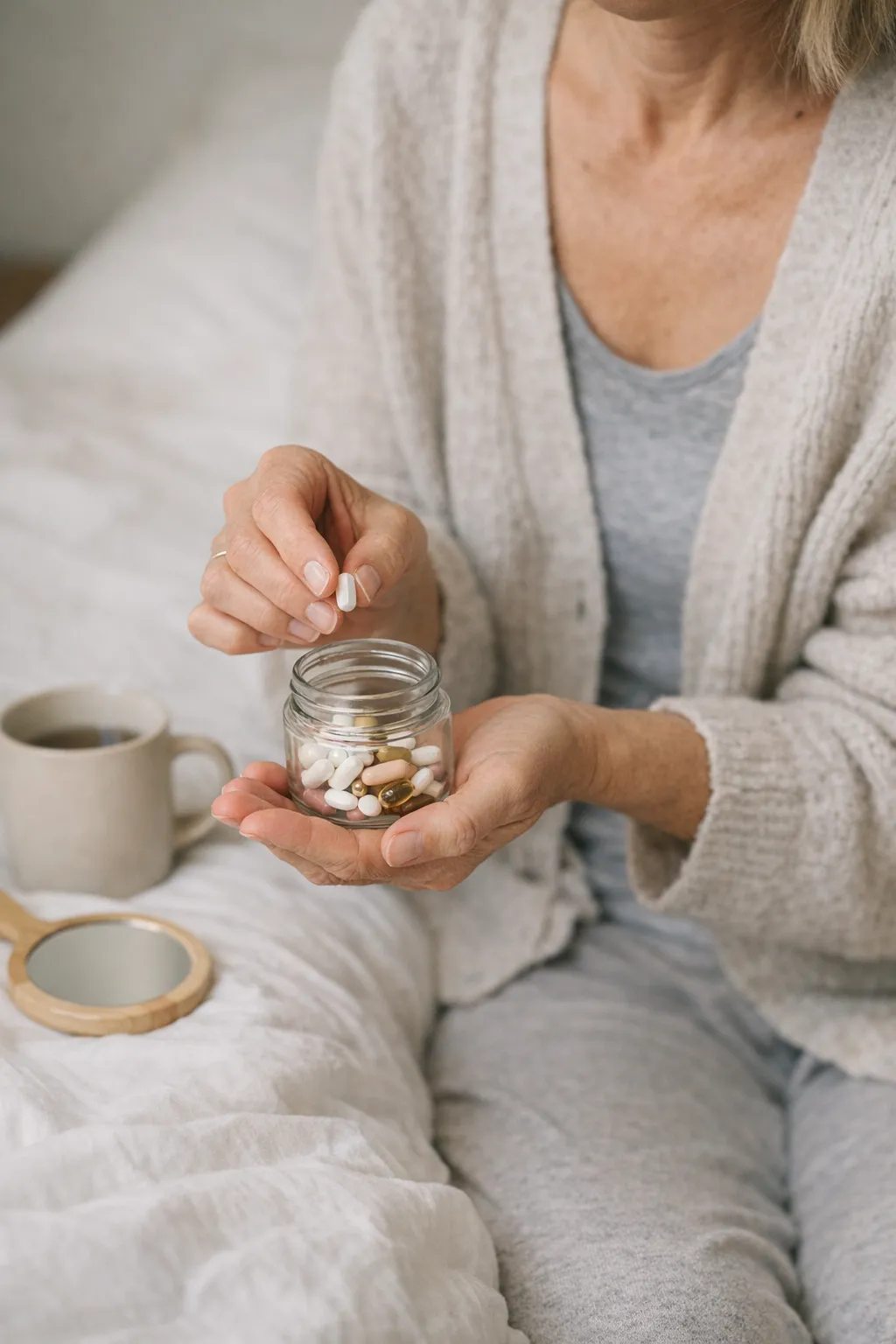
What Happens During Menopause?
What are the three stages of menopause?
Menopause occurs in three distinct stages: perimenopause, menopause itself, and postmenopause. Each stage reflects a different phase of the hormonal shift that happens as the ovaries gradually reduce their production of estrogen and progesterone.
Perimenopause is the transition period that begins when the first signs appear and ends one year after the final menstrual period. It can start 8 to 10 years before menopause, meaning many women notice changes in their mid to late 40s. Menopause is the single confirmed point in time after 12 consecutive months without a period. Postmenopause covers every year of life that follows, and the health considerations from that point forward are shaped by the sustained drop in estrogen.
What symptoms can menopause cause?
Menopause can cause a broad range of physical and emotional symptoms, though not every woman experiences the same ones or at the same intensity. The most frequently reported include hot flashes, night sweats, vaginal dryness, urinary urgency, sleep disruption, irregular periods during perimenopause, and mood changes such as irritability or low mood.
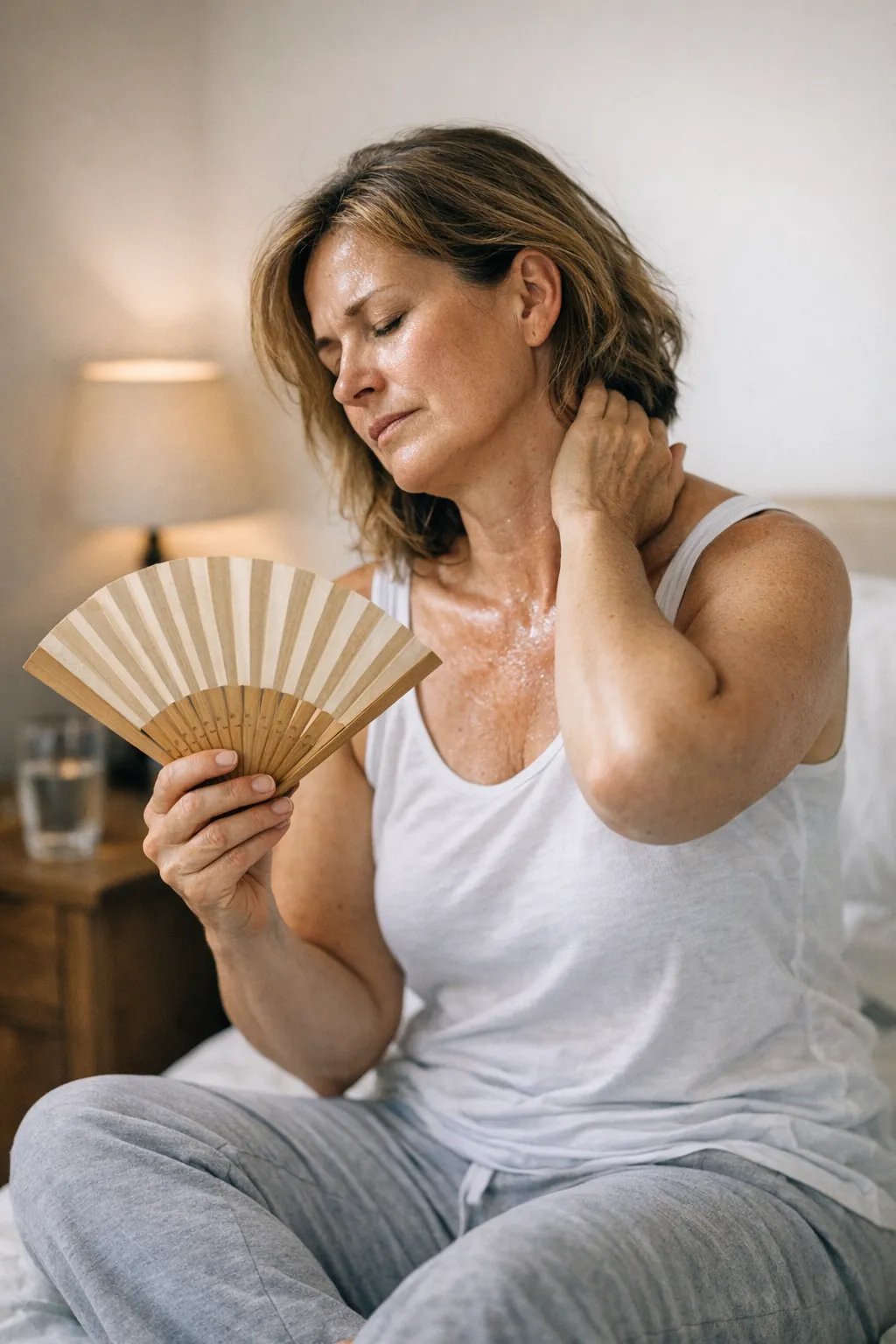
Hot flashes are among the most recognized symptoms. Most last between 30 seconds and 10 minutes, and they can occur during the day or at night. When they happen during sleep, they are referred to as night sweats and can significantly disrupt rest. Other symptoms, such as forgetfulness and difficulty concentrating, are less discussed but are reported consistently by women moving through the transition.
- Hot flashes and night sweats
- Vaginal dryness and discomfort
- Urinary urgency or increased frequency
- Sleep problems and fatigue
- Mood changes, irritability, or low mood
- Irregular periods during perimenopause
- Difficulty concentrating or forgetfulness
How long do menopause symptoms last?
Menopause symptoms can begin years before menopause is confirmed and continue well into postmenopause, with the average duration sitting at around seven years according to Cleveland Clinic data. Some women experience symptoms for up to 10 years across the full perimenopause to postmenopause window.
Timing and severity are not the same for everyone. Research from the National Institute on Aging indicates symptoms typically span between two and eight years, with significant variation influenced by genetics, lifestyle, and racial and ethnic background. Black women are more likely to experience an earlier onset and longer-lasting symptoms, while Asian women are less likely to report them. Smoking is associated with both earlier onset and more severe symptoms across groups.
What health risks increase after menopause?
After menopause, lower estrogen levels raise the risk of osteoporosis, heart disease, and stroke. These are not inevitable outcomes, but they represent meaningful shifts in health risk that benefit from active monitoring and prevention strategies.
Bone loss accelerates notably in the years immediately following menopause. Cleveland Clinic data indicates that on average, 25% of bone mass is lost between the time of menopause and age 60. Cardiovascular risk also increases as estrogen's protective effects on blood vessels diminish. Regular bone density testing and cardiovascular check-ins become relevant parts of routine care from this point forward.
What treatment options are available for menopause symptoms?
Treatment for menopause symptoms falls into two broad categories: hormone therapy and nonhormonal options. Hormone therapy comes in two main forms: Estrogen Therapy (ET), typically used by those without a uterus, and Estrogen Progestogen Therapy (EPT), used by those who still have one. Both aim to supplement the hormones the ovaries are no longer producing at previous levels.
Nonhormonal approaches include lifestyle adjustments such as regular physical activity, dietary changes, and avoiding known hot flash triggers like caffeine and spicy foods. Prescribed nonhormonal medications, including SSRIs, SNRIs, gabapentin, and oxybutynin, may help with specific symptoms. Vaginal lubricants and creams address dryness without systemic hormone exposure. For a closer look at these options, Hello Again covers non-hormonal options for menopause symptoms in practical detail.
There is no single best treatment. Management should be individualized based on symptom profile, health history, and personal preference. Always consult a qualified clinician before starting hormone therapy, nonhormonal prescriptions, or any treatment if you have an existing medical condition or contraindications.
Key Menopause Facts and Figures
- The average age of menopause in the United States is 52, according to the Cleveland Clinic .
- Menopause is clinically confirmed after 12 consecutive months without a menstrual period, with no other identified cause, per the Cleveland Clinic.
- Perimenopause can begin 8 to 10 years before menopause, meaning symptoms may first appear in a woman's early 40s, according to the Cleveland Clinic.
- The average duration of menopause symptoms is approximately 7 years, though some women experience them for up to 10 years, per the Cleveland Clinic.
- Most hot flashes last between 30 seconds and 10 minutes, according to the National Institute on Aging .
- On average, 25% of bone mass is lost between the time of menopause and age 60, according to the Cleveland Clinic.
- In 2021, women aged 50 and over accounted for 26% of all women and girls globally, up from 22% a decade earlier, according to the United Nations Department of Economic and Social Affairs.
- A woman aged 60 in 2019 could expect to live on average another 21 years, according to the United Nations Department of Economic and Social Affairs.
- Smoking is associated with an earlier onset of menopause and more severe menopausal symptoms, according to the National Institute on Aging.
Frequently Asked Questions About Menopause
What is the difference between perimenopause and menopause?
Perimenopause is the transition period leading up to menopause, during which hormone levels begin to decline and symptoms such as irregular periods and hot flashes may appear. Menopause is the specific point in time confirmed after 12 consecutive months without a menstrual period. Perimenopause can begin 8 to 10 years before that point, while menopause marks the end of the transition and the start of postmenopause.
Can you get pregnant during perimenopause?
Pregnancy is still possible during perimenopause because ovulation continues to occur, even if irregularly. Contraception remains relevant until menopause is fully confirmed, meaning 12 consecutive months without a period have passed. Anyone who is unsure whether they have completed the transition should confirm their status with a clinician and continue using contraception if pregnancy is not intended.
Does menopause affect sleep?
Menopause commonly disrupts sleep, largely because night sweats and hot flashes interrupt the sleep cycle during the night. Hormonal changes can also contribute independently to insomnia and restlessness. Practical strategies include keeping the bedroom cool, dressing in layers, and limiting caffeine. For a broader look at how the menopausal transition affects rest, Hello Again explores menopause and sleep in detail.
How do race and ethnicity affect menopause symptoms?
Research from the National Institute on Aging shows that menopause symptoms are not uniform across racial and ethnic groups. Black women are more likely to experience an earlier onset of menopause, more frequent symptoms, and longer symptom duration compared with White women. Asian women are less likely to report menopausal symptoms overall. These differences are influenced by a combination of genetics, lifestyle, culture, and environment.
How does menopause affect bone health?
After menopause, declining estrogen levels accelerate bone loss and increase the risk of osteoporosis. Cleveland Clinic data indicates that on average, 25% of bone mass is lost between the time of menopause and age 60. Bone density testing is a recommended part of post-menopause care, and strategies such as regular weight-bearing exercise, adequate calcium intake, and vitamin D supplementation can help slow bone loss.
Are there nonhormonal treatments for menopause symptoms?
Several nonhormonal options can help manage menopause symptoms for those who cannot or prefer not to use hormone therapy. These include lifestyle changes such as regular exercise and avoiding hot flash triggers, as well as prescribed medications including SSRIs, SNRIs, gabapentin, and oxybutynin for specific symptoms. Cognitive behavioral therapy has evidence supporting its use for mood changes and sleep difficulties. Treatment should always be individualized based on symptom profile and health history.